Blog
Best Amish Furniture Brands: A Maine Buyer’s Guide 2026


You might be in that familiar spot a lot of Mainers know well. You’ve got a room that needs to work hard, look warm, and hold up through muddy boots, winter layers, pets, kids, guests, and everyday life. You don’t want furniture that looks tired after a couple of seasons. You want something that feels settled, solid, and worth bringing into your home.
That’s usually when the phrase Amish furniture comes up around the table.
Folks often use it as shorthand for “the good stuff,” but that can get confusing fast. Not every piece labeled Amish-made is equal. Not every brand fits every home. And not every buyer needs the same thing. A family furnishing a first house in Augusta has different needs than a retired couple downsizing near Skowhegan, even if both care about quality.
I’ve spent my life around furniture in Central Maine, in a family business that’s been at it since 1950, and I can tell you this much. The smartest shoppers don’t ask only, “What are the best Amish furniture brands?” They ask, “How do I tell which one is right for my home, my budget, and the way we live?” That’s the question that leads to fewer regrets.
If you’ve also been thinking about how to keep solid wood looking good once it’s in the house, this guide on protecting wood furniture from scratches and stains is a helpful companion read.
Table of Contents
- An Investment in Your Maine Home for Generations to Come
- What Truly Defines Amish Furniture
- Recognizing the Hallmarks of Quality Craftsmanship
- A Practical Checklist for Choosing Your Brand
- Finding a Style That Fits Your Home
- Navigating Red Flags and Maine Buying Realities
- The Northern Advantage Bringing Your Vision Home
An Investment in Your Maine Home for Generations to Come
In Central Maine, furniture tends to become part of the family story. A dining table hosts school projects, holiday meals, and late-night talks. A bedroom chest starts with baby clothes and ends up holding quilts. A well-built bed gets moved from one house to the next because nobody wants to part with it.
That’s why Amish furniture gets so much respect. It isn’t just about style. It’s about choosing pieces that still make sense years from now, after the trends shift and the room gets rearranged again.
I’ve seen plenty of shoppers come in thinking they need a list of brand names, but what they really need is confidence. They need to know why one dresser feels sturdy and another feels hollow. They need to know whether the finish, the wood species, and the joinery match the way they live. That’s where smart buying starts.
Buy furniture for the life you live in Maine, not for the photograph in a catalog.
For some households, the right answer is a classic Amish bedroom set in oak or cherry. For others, it’s a simpler Shaker dining table with room to grow. The best amish furniture brands aren’t “best” in the abstract. They’re the ones that combine strong materials, careful construction, practical customization, and a look you’ll still want to see every day.
A Maine mindset on value
Here in Augusta and Skowhegan, people tend to look past flashy sales language. They want to know what something is made of, how long it should last, and whether the price reflects the piece itself or just the marketing around it.
That’s why solid wood furniture has stayed relevant. It helps make a house feel grounded. It can take use. It can be maintained. And in many homes, it becomes the piece people fight over later because nobody wants the flimsy replacement version.
What Truly Defines Amish Furniture
A Maine family walks into the store looking for a dining table. They have kids, a muddy dog, and a house that gets used hard through every season. Before we talk about style, we talk about how the table is built. That usually clears things up fast.
It’s a method of building, not one fixed style
“Amish furniture” gets treated like a look, but the better way to judge it is by the building standards behind it. You can find Amish-made pieces in Shaker, Mission, farmhouse, traditional, and cleaner modern lines. The common thread is usually careful joinery, solid hardwood construction, and a workshop culture that puts longevity ahead of speed.
That matters if you are buying for a Maine home. Dry winter heat, damp spring air, and everyday family use all put stress on furniture. A well-built piece handles those changes better because the maker planned for movement in the wood, strength at the joints, and repairability years down the road.
If you want a visual sense of how those choices show up across different collections, this gallery of Amish furniture for Maine homes gives you a useful starting point.
Why solid wood matters
Material choice is where many shoppers separate marketing from substance.
Authentic Amish-made furniture is commonly built from solid hardwoods such as oak, cherry, maple, or hickory. That changes more than the weight of the piece. It affects how it wears, how it can be refinished, and whether it still looks respectable after years of use.
A solid wood table ages like a wood floor. Small marks can blend into the story of the piece, and many can be repaired. A table made with thin veneer over a weaker core often has a shorter road. Once that top chips, swells, or peels, your options narrow in a hurry.
A simple way to sort materials:
- Solid wood gives you strength, repair potential, and a better chance of keeping the piece for decades.
- MDF or particleboard can lower the price, but they usually lower lifespan and repair options too.
- Veneer has its place, especially in some well-made furniture, but it should be described clearly and priced appropriately.
Practical rule: If the conversation stays on stain color but skips wood species, thickness, and joinery, pause and ask a few sharper questions.
What the label should tell you
The word “Amish” should open the discussion, not end it. A good retailer or brand should be able to explain what you are buying in plain English, without dancing around the details.
| What to ask | Why it matters |
|---|---|
| What wood species is this? | Oak, cherry, maple, and hickory all look, wear, and price out differently. |
| Is it solid wood in the case, top, sides, and drawers? | That tells you whether the whole piece is built to last or only made to look that way from the front. |
| How is it joined? | Joinery gives you a clearer picture of long-term strength than a finish name ever will. |
| What can be customized? | Size, stain, hardware, and layout options help you buy for your room instead of settling for a close enough fit. |
That last point matters more in Maine than many shoppers expect. Rooms in older homes can be tight, camp spaces can be awkward, and entryways are not always forgiving. A brand that allows sensible customization, backed by local guidance and financing through Northern Mattress & Furniture 1st, often makes the difference between a piece that merely fits and one that belongs there for years.
Recognizing the Hallmarks of Quality Craftsmanship
You don’t need to be a woodworker to spot good furniture. You just need to know where to look and what your hands are telling you.
A well-made piece often gives itself away in the quiet details. Drawers move smoothly. Corners feel clean and intentional. Doors hang square. The whole piece sits with confidence. Nothing rattles, twists, or begs for “just tighten this later.”
What to inspect with your own hands
Start with the areas that take the most stress.
- Open the drawers: Look for dovetail joinery rather than a box that seems stapled or lightly pinned together.
- Check the back and underside: Good makers usually don’t hide sloppy work where you won’t first look.
- Press on the frame: A table or bed shouldn’t feel loose or uncertain.
- Study the wood grain: Solid wood has a more natural, continuous appearance than printed surfaces or heavily disguised composites.
A chair is another honest test. Sit in it. Shift your weight. Lean back a bit. Strong construction feels calm under pressure.
A bed frame is a good test case
Beds are one of the clearest places to compare real engineering with furniture that just looks substantial. Elite Amish brands like Trailways use 100% solid North American hardwoods and advanced bed construction. Their beds use 12 proprietary cast aluminum brackets and 1.25-inch thick dovetailed slats, with joinery accurate to ±1/16 inch. According to Slone Brothers’ brand guide, that level of construction helps pieces retain 95% of their structural integrity after 20 years of use.
That’s the sort of detail I want a buyer to notice. Not because everyone needs to memorize bracket counts, but because the construction tells you what the maker values.
If you’d like a plain-English breakdown of common hardwoods before you shop, this guide to choosing the right hardwood for longevity and style helps.
The wood species changes the feel
Different hardwoods suit different homes and tastes.
| Wood | What buyers often notice |
|---|---|
| Oak | Strong grain, traditional character, solid everyday presence |
| Cherry | Richer tone, warmer look, often chosen for a more refined feel |
| Maple | Cleaner grain, smoother visual texture, good for simpler or more modern rooms |
None of those is automatically “the best.” The right choice depends on the room, the finish, and the look you want to live with.
Furniture quality isn’t hidden in a slogan. It’s sitting in the joinery, the hardware, the fit, and the wood itself.
A Practical Checklist for Choosing Your Brand
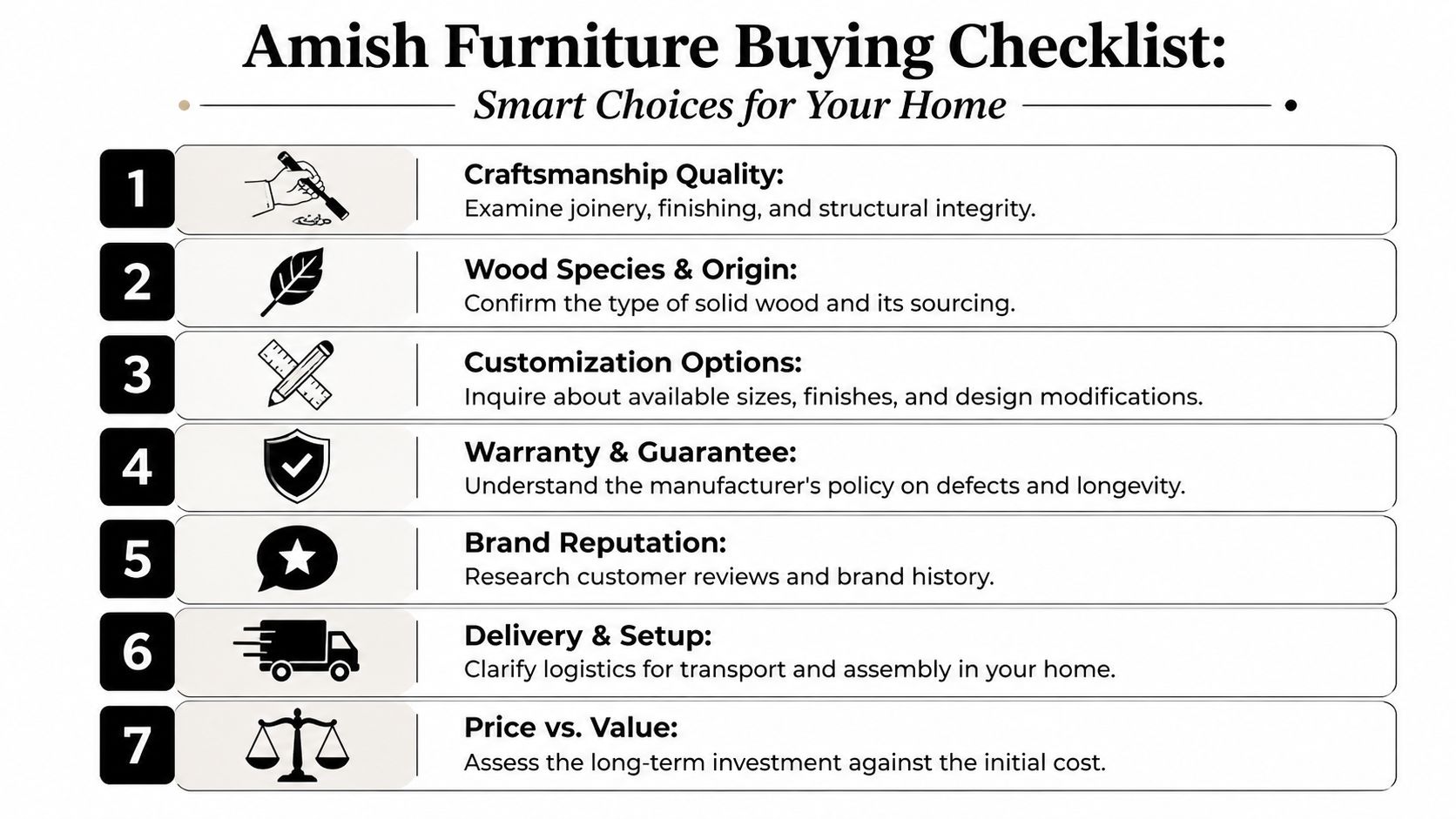
A brand name on a tag only gets you so far. What matters is whether that maker fits your room, your budget, and the way a Maine home gets used.
I tell shoppers to treat this part like buying a pickup truck, not picking paint. Two pieces may look similar on the floor. Years later, one still feels tight and steady, and the other starts showing you where corners were cut. If you want a wider framework before you compare brands, our guide on how to shop for furniture smartly gives a good foundation.
Questions worth asking before you order
Bring a short list with you. It keeps the conversation practical and helps you compare one brand against another without getting distracted by finish color or showroom staging.
- What can be customized? Ask about dimensions, wood species, stain, hardware, storage layout, and upholstery choices if applicable. Good customization lets the furniture fit your home in Maine, whether you are working around a narrow stairwell, an older farmhouse bedroom, or a camp-style dining space.
- Who handles problems after the sale? If there is a finish concern, a transit issue, or a part that needs attention, ask who you call and what the process looks like. Clear answers matter.
- How is lead time explained? Custom furniture takes time. A trustworthy seller should be able to explain the order process, give a realistic range, and tell you how updates are shared.
- What does delivery include? Ask if the piece is carried in, assembled if needed, and placed in the room. For larger bedroom and dining pieces, that detail can save a lot of aggravation.
- Can they explain the materials plainly? You should be able to get a straight answer about what is solid wood, what hardware is used, and what support systems are built into the piece.
How to compare value without getting fooled by price
Low price can hide a lot. Limited sizing, fewer finish choices, weaker service, or less help after delivery all affect the true value of the purchase.
A simple scorecard works well here. Put two or three brands side by side and rate them on the same points.
| Decision area | What a strong answer sounds like |
|---|---|
| Custom fit | Clear choices in size, finish, hardware, and layout |
| Service | Defined process for defects, repairs, or delivery concerns |
| Communication | Honest timeline and regular order updates |
| Delivery | In-home placement and setup explained in advance |
| Price | Quote tied to specific build details, not a vague starting number |
That comparison helps you buy with your eyes open.
For example, Daniels Amish often appeals to buyers who want a lot of flexibility in bedroom furniture, especially if they need to fine-tune storage, size, or finish. Smith Brothers of Berne usually enters the conversation for upholstered seating, where comfort, fabric or leather choice, and long-term support matter more than matching wood stains. Those are two different buying decisions. The better brand is the one that serves the room you are furnishing.
A short buyer's filter
If the choices start to blur together, cut the list down this way:
- Start with the room. Bedroom, dining room, living room, or office.
- Write down your required features. That might be a certain width, extra drawers, a specific seat depth, or a finish that works with existing floors and trim.
- Keep only the brands that meet those requirements. More options do not always mean a better choice.
- Ask what ownership will feel like five or ten years from now. Daily use, touch-ups, repairs, and support matter more than a first impression in the showroom.
That is the approach we use at Northern Mattress & Furniture 1st when helping Maine families compare national Amish makers with local service, financing, and customization support. It keeps the decision grounded in real life, which is how you end up with furniture you will still respect years from now.
Finding a Style That Fits Your Home
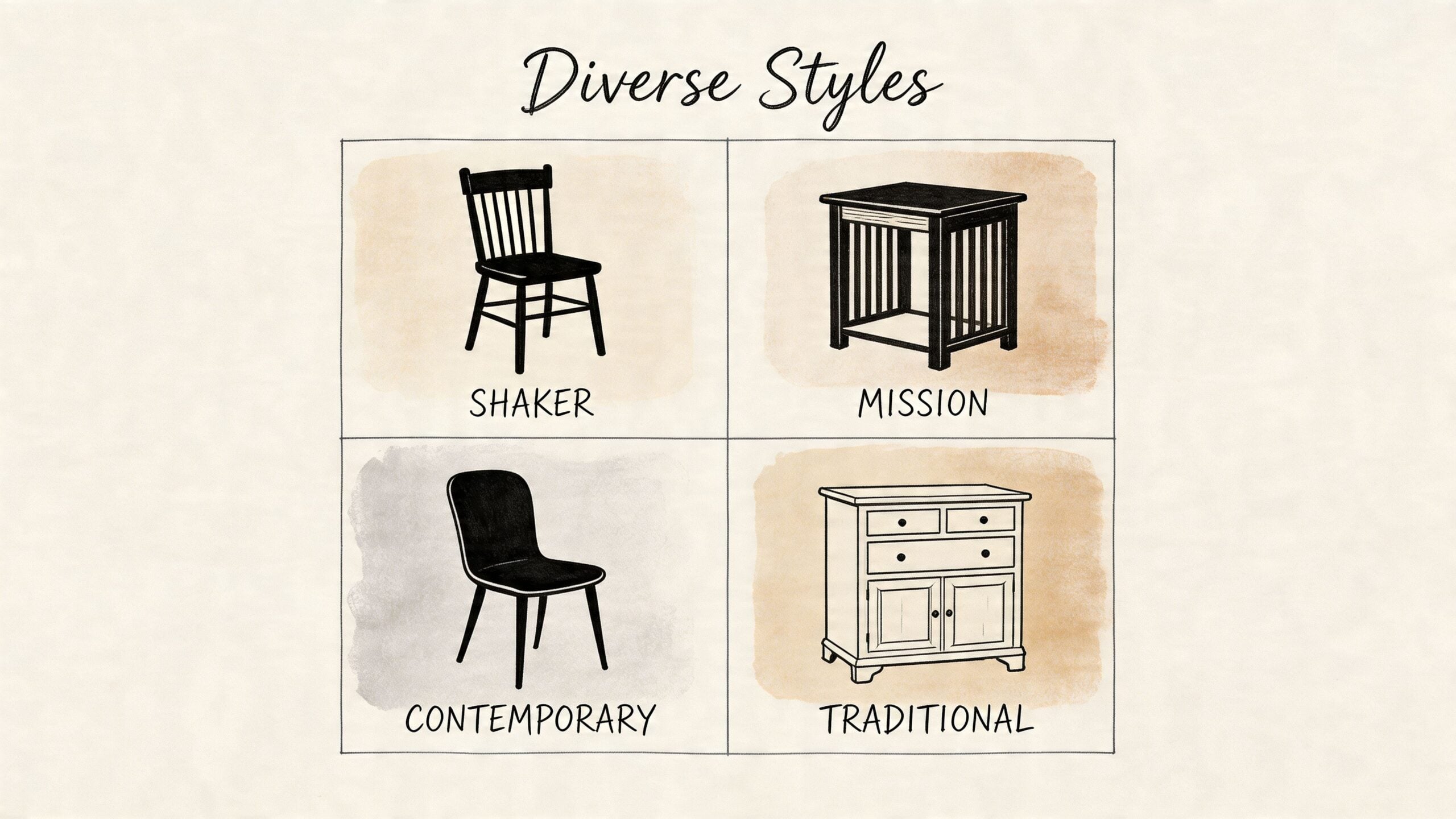
One of the biggest myths in furniture shopping is that Amish-made means one look. It doesn’t. Some Amish brands lean classic and formal. Others stay spare and practical. Some have moved hard into cleaner, contemporary design.
That matters for Maine homes because our interiors are rarely one-note. A farmhouse in Skowhegan, a newer build outside Augusta, and a camp-inspired year-round home can all use Amish furniture, but not the same silhouettes.
The traditional camp
These are the brands and collections that speak to buyers who love visual warmth, richer finishes, paneled beds, classic dining pieces, and furniture that looks rooted.
This group often works well in homes with:
- Warmer wood tones
- More detailed trim
- Classic rugs and layered textiles
- A preference for familiar, enduring shapes
Daniels Amish often fits into this conversation because many shoppers turn to it for handcrafted wood bedroom furniture with extensive options.
The clean-line camp
Some buyers want furniture that feels quieter. That’s where Shaker and Mission influence tends to land well. Straight lines, honest structure, and decoration kept to a minimum.
These pieces usually suit:
- Smaller spaces that need visual calm
- Homes mixing old and new
- Buyers who want the wood itself to do the talking
Brands such as Mavin and Simply Amish often appeal here, depending on the collection and finish chosen.
The modern camp
This category surprises people. Amish craftsmanship is no longer boxed into rustic stereotypes. DutchCrafters Amish Furniture won Sarasota Magazine’s Best Contemporary Furniture Award of 2024, and the same source notes that brands have reported annual sales growth of 15% to 20% in contemporary lines since 2020 as they blend modern aesthetics with traditional joinery, according to DutchCrafters’ award announcement.
That tells buyers something useful. You don’t have to give up clean profiles, updated proportions, or a more modern room just because you want Amish craftsmanship.
A modern room can still hold old-school craftsmanship. The style and the build quality don’t have to fight each other.
If you’re unsure where your home falls, start with the lines of the room itself. If your space has simple trim, open sight lines, and lighter finishes, a cleaner Amish style will likely feel more at home. If the house leans traditional, richer woods and more classic profiles may settle in more naturally.
Navigating Red Flags and Maine Buying Realities
Buying Amish furniture in Maine comes with a few practical wrinkles that don’t always get talked about clearly. The quality may be there, but the path from workshop to your home can still get messy if you don’t ask the right questions.
One good habit is learning to read online listings carefully. This guide on using online furniture photos to make smarter buying decisions can help you spot details sellers sometimes gloss over.
Watch the wording
“Amish-style” is not the same as Amish-made. “Solid wood accents” is not the same as solid wood construction. “Assembly required” can mean very different things depending on the item.
Look for direct language about:
- Wood species
- Joinery
- Origin
- Customization
- What happens at delivery
If that information stays fuzzy, I’d be cautious.
Plan for freight, time, and setup
Maine buyers can be surprised. In markets like Central Maine, total ownership cost can be harder to pin down than the product price alone. Some sellers offer nationwide shipping, but hidden freight fees can add 10% to 20% to the final price, and custom order lead times from Ohio or Indiana can stretch 8 to 12 weeks, according to Snyder’s Furniture’s discussion of where to buy Amish furniture.
That doesn’t mean custom Amish furniture isn’t worth it. It means you should treat logistics as part of the purchase, not an afterthought.
Ask these before you commit:
- What does the quoted price include? Freight, setup, stairs, room placement?
- How long is the actual lead time right now? Not the best-case estimate.
- What if the piece arrives damaged or doesn’t fit? You want the answer before delivery day.
- How will solid wood behave in a Maine home? Seasonal humidity shifts are real, so placement and care matter.
A careful buyer doesn’t just buy the furniture. They buy the whole process.
The Northern Advantage Bringing Your Vision Home
A good furniture purchase gets easier when local support fills in the gaps that national listings often leave open. That’s especially true with Amish furniture, where customization, delivery details, and finish choices matter as much as the product photo.
For Maine buyers weighing custom options, one practical path is working with a local showroom that can help translate those choices into something that fits your room and your budget. Northern Mattress & Furniture 1st, a third-generation family-owned retailer serving Central Maine since 1950, offers custom order access with partners such as Trailways Amish, along with guidance on styles, fabrics, finishes, and room fit. For shoppers who need budget flexibility, the store also offers the Nest Credit Card, which allows pre-qualification with no credit score impact, and it promotes a Price Chop approach centered on real sale pricing rather than inflated mark-downs.
That local piece matters. If you’re investing in a dining set, a bed, or a bedroom collection, it helps to sit down with someone who can talk through wood tone, dimensions, and setup instead of leaving you to sort it out alone from a product page.
Why local support changes the experience
A no-hassle showroom has practical value. You can compare finishes in person. You can ask whether a certain bed suits your room size. You can talk through custom order choices without feeling rushed. And yes, if you’ve ever furniture-shopped in Central Maine, you know a cup of coffee and a straightforward conversation go a long way.
For buyers in Augusta or Skowhegan, that can make the difference between ordering a nice-looking piece and ordering the right piece.
The best buying experience is usually the one where your questions get clearer as you go, not murkier.
If you’re after the best amish furniture brands, use the brand name as a starting point, not the finish line. Look at materials. Inspect construction. Ask about lead times and delivery. Match the style to your home. Then make sure the buying process itself supports the investment you’re making.
If you’d like help comparing wood styles, custom order options, or practical furniture choices for a Maine home, Northern Mattress & Furniture 1st is a straightforward place to continue the conversation. You can visit the Augusta or Skowhegan showrooms, browse the style guide, and explore a no-hassle shopping experience with complimentary coffee, bottled water, custom order support, Price Chop savings, and simple financing options.