Blog
Flexsteel Furniture Review: Is It Worth It in 2026?

You’re probably reading this because your current sofa has started telling the truth. The middle seat dips. The cushions need fluffing every night. Maybe the arm feels loose, or the fabric still looks decent while everything underneath feels tired. In Maine, furniture gets used hard. It has to handle muddy boots at the door, long winters indoors, kids sprawled across sectionals, dogs claiming the warm spot by the window, and holiday company packed into the living room.
That’s where this flexsteel furniture review matters. A sofa isn’t just another purchase. It’s where people find comfort after daily routines, where grandkids pile in for a movie, and where a house starts to feel settled. Flexsteel has built a reputation around durability, and with a 131-year legacy and furniture often expected to last 15 to 20+ years according to this Flexsteel review from Colder’s, it’s fair to ask whether the brand still earns that reputation.
For Maine homeowners, the better question is simpler. Is Flexsteel the right fit for the way you live?
Table of Contents
- Is Flexsteel Furniture Right for Your Maine Home
- The Famous Blue Steel Spring Explained
- Beyond the Springs A Look at Overall Construction
- The Honest Pros and Cons of Flexsteel Furniture
- How Flexsteel Compares to Other Popular Brands
- Making Flexsteel Your Own with Custom Orders
- The Northern Advantage for Your Flexsteel Purchase
Is Flexsteel Furniture Right for Your Maine Home
A Maine living room works hard. One week it handles wet boots and a dog that just came in from the yard. In summer, it catches kids fresh off the lake. In January, it becomes the spot where everyone settles in after stacking wood, plowing out, or spending the evening by the stove. Furniture here gets lived on, not admired from across the room.
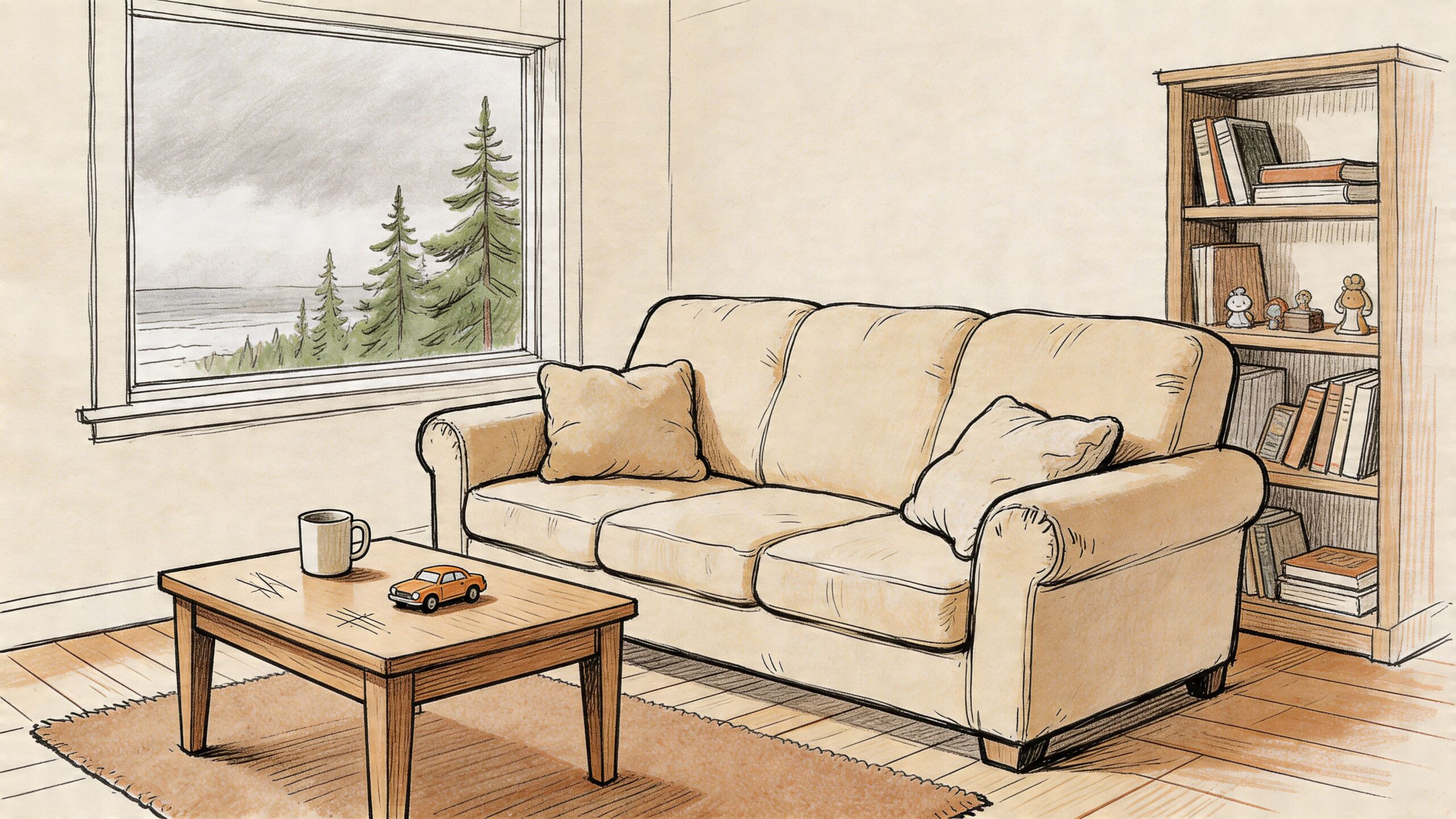
That is why Flexsteel comes up so often with Maine homeowners who want lasting comfort instead of a quick bargain. The brand has been around since 1893, and it has built its name on upholstered seating that is meant to stay supportive through years of regular use. Around here, that matters. Long winters mean more hours on the sofa, mud season is hard on fabrics and frames, and many homes need furniture that looks right in both a year-round house and a camp near the water.
The fit is usually strongest for buyers who want to make one good purchase and live with it for a long time. Flexsteel tends to appeal to people who would rather spend more once than replace a sagging sofa in a few years. That does not make it the right answer for every room. A starter apartment, a short-term rental, or a spare room that sees light use may not justify the cost.
What Maine buyers usually ask for is pretty consistent.
- Support that holds up during long winters indoors: The sofa becomes the default seat for movie nights, storms, and ordinary weeknights at home.
- Materials that can handle real life: Damp jackets, grit from boots, pet hair, and traffic from coming back in after snowmobiling, shoveling, or a day on the water all add up.
- Style that does not feel dated in two years: Many Maine homes mix old and new. Furniture has to work with painted floors, camp views, farmhouse details, or a more coastal look without feeling too trendy.
- Value measured over time: Buyers here often ask how a piece will sit and wear after years of use, not just how it looks under showroom lights.
Before choosing any sofa, it helps to review the basic signs of quality, including frame strength, cushion support, and fabric performance. This guide on what to look for when buying a sofa lays out those points clearly.
Flexsteel usually makes sense for Maine homeowners who want dependable everyday seating in the main living space. It is less compelling for shoppers chasing the lowest ticket price or a fast furniture refresh. If your goal is a comfortable home that still feels put together after years of muddy springs, busy holidays, and long stretches indoors, Flexsteel deserves a serious look.
The Famous Blue Steel Spring Explained
A sofa usually disappoints from the inside out. The fabric may still look decent, the cushions may still fluff up, but the seat starts dipping where the family always sits. In Maine, that shows up fast in a main living room. January evenings are long, guests stay over storms, and one sofa can carry more hours of use in a season than a spare-room couch sees all year.
That is why Flexsteel’s Blue Steel Spring matters.
What makes it different
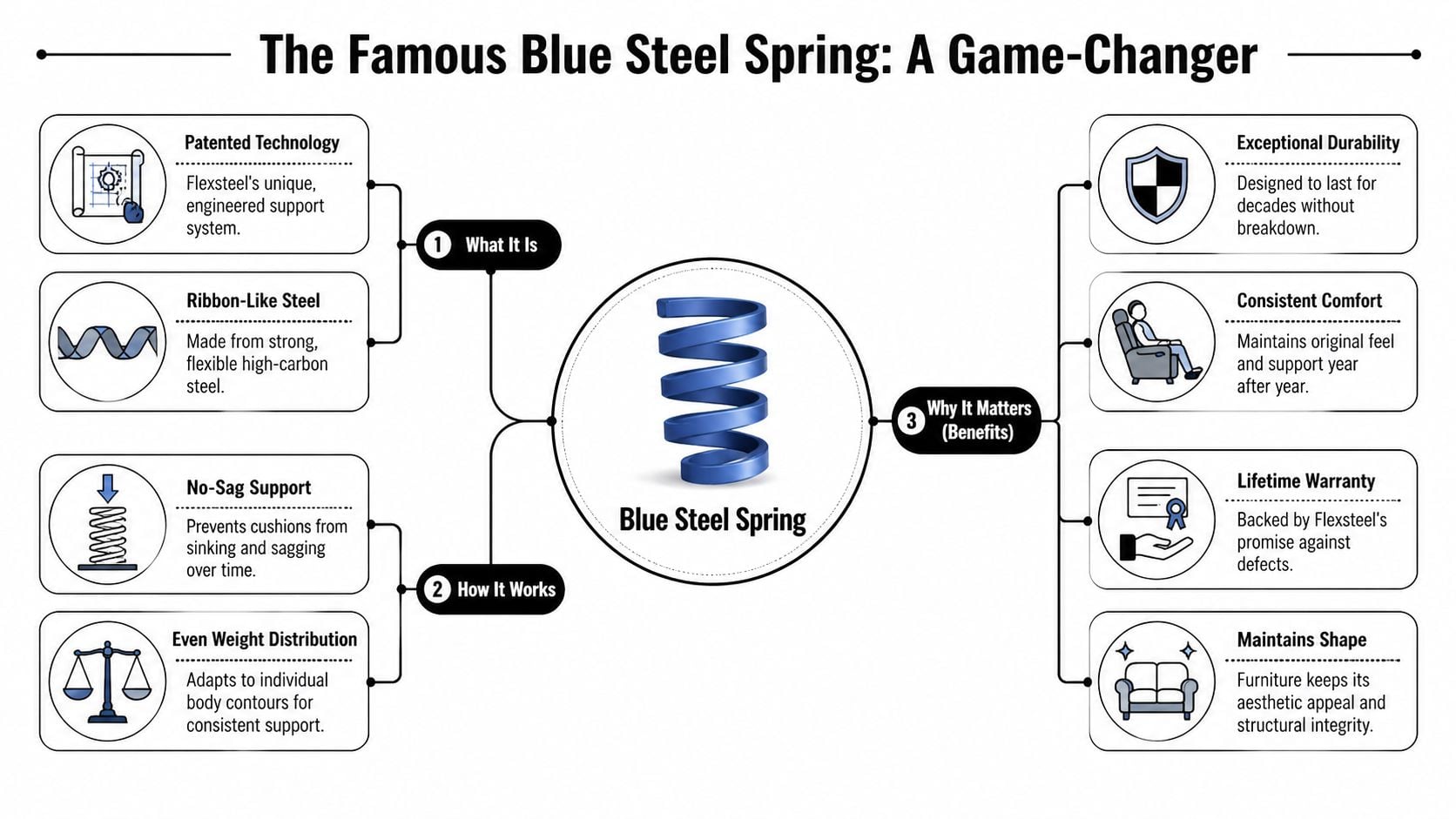
Flexsteel uses a ribbon-like steel seat spring instead of relying on a more ordinary spring setup that can lose its feel over time. The practical difference is easy to spot in the store and even easier to spot years later in a customer’s home. The seat has a more even, controlled support across the sitting area, and it tends to recover well after repeated use.
According to The Furniture Mall’s explanation of Flexsteel pros and cons, the Blue Steel Spring is designed to hold its support characteristics for years without the replacement issues that can come with other systems. That lines up with what I have seen on selling floors and in service conversations. On better-kept Flexsteel pieces, the complaint is rarely that the whole seat support gave out early. More often, wear shows up first in the cushion, fabric, or motion parts before the spring platform becomes the problem.
How it feels in real use
The simplest comparison is a car suspension. Good support absorbs pressure, then returns to form instead of staying compressed. On a cheaper sofa, the favorite seat slowly settles lower, and people blame the cushion because that is the part they can see. In plenty of cases, the support under the cushion is part of the underlying issue.
Flexsteel built its name on reducing that kind of slow, uneven breakdown.
That matters in Maine homes because furniture here works hard. Families spend more time indoors through mud season, black fly season, cold snaps, and long winter stretches when the living room becomes the place for everything. Add in the usual swings between dry heated air in January and heavier humidity in summer, and weak seat support gets exposed sooner. Mid-seat sagging is not just an abstract quality problem here. It turns into the seat everyone avoids by the second or third year.
Practical rule: Sit in the middle of the cushion, not just on the front edge. Then ask what is supporting you underneath and how that support tends to age.
Why buyers notice it later
Nobody shops for a sofa because the spring system sounds exciting. They notice it after a few years, when one piece still sits square and another already feels tired.
Three things usually stand out:
The seat stays more level
Daily-use spots are less likely to turn into the low spot of the sofa.Support stays more consistent across the cushion
That helps the sofa feel comfortable without that loose, hammock-like sit that shows up on weaker upholstery.The piece asks less of the owner
There is less worry about the support underneath changing shape and affecting comfort early in the life of the sofa.
Blue Steel is not magic. It will not make a poor cushion great, and it will not erase the need to choose the right fabric for kids, pets, or a camp by the water. But as a foundation, it is one of the better features Flexsteel offers, especially for a household that wants one good sofa instead of a cycle of replacing one every few years. If you are also weighing cover options, this guide to upholstery materials and how they wear in everyday homes is worth reading before you order.
Where this matters most
Blue Steel earns its keep on sofas, sectionals, and loveseats that see daily family use. It matters less in a formal room that stays neat and empty most of the month.
For a Maine homeowner furnishing their primary living space, this is one of the stronger reasons to consider Flexsteel. The comfort tends to stay more dependable, and dependable comfort is what keeps a house feeling lived in without feeling worn out.
Beyond the Springs A Look at Overall Construction
A good flexsteel furniture review can’t stop at the spring system. Plenty of brands have one standout feature and weaker construction everywhere else. Flexsteel’s better pieces work because the support system, frame, and cushions all pull in the same direction.
Why the frame matters
The frame is the skeleton of the furniture. If it twists, flexes too much, or weakens at stress points, you’ll see it in the upholstery long before the fabric itself wears out.
According to Cullens Home Center’s comparison of Flexsteel and Ashley, Flexsteel frames combine solid hardwood with 5-ply reinforced materials, and that system minimizes flex to less than 0.5 inches under load. That kind of structural rigidity matters most on larger pieces like sectionals, where multiple seats and connection points can expose weakness fast.
If you want a better handle on what fabric and frame choices mean in day-to-day life, this guide to everything you need to know about upholstery materials is worth reading before you choose a cover.
Why the cushions matter just as much
A sofa can have a strong frame and still disappoint if the foam gives up too soon. That’s often what shoppers mean when they say a couch “went flat.” The seat may still be structurally sound, but it no longer feels supportive or looks tidy.
The same Cullens source says Flexsteel uses high-resilience foam that retains over 90% of its thickness after 7 to 10 years. That’s a useful detail because cushion performance is often the first physical attribute noticed.
How the pieces work together
When the frame stays rigid and the foam recovers well, you get practical benefits that show up in daily life:
- Cleaner lines: The sofa keeps a more structured look instead of slouching.
- Better modular fit: Sectional pieces stay aligned instead of showing awkward gaps.
- More even wear: Pressure gets distributed more consistently across the piece.
The inside of a sofa tells you more about its value than the fabric swatch ever will.
A fair note on long-term comfort
Construction quality doesn’t mean furniture becomes indestructible. Even well-built upholstery changes with age and use. What stronger construction does is slow that decline and keep the piece functioning well for longer. For buyers who care about making a house feel settled, that’s usually the difference between a purchase that feels wise and one that feels temporary.
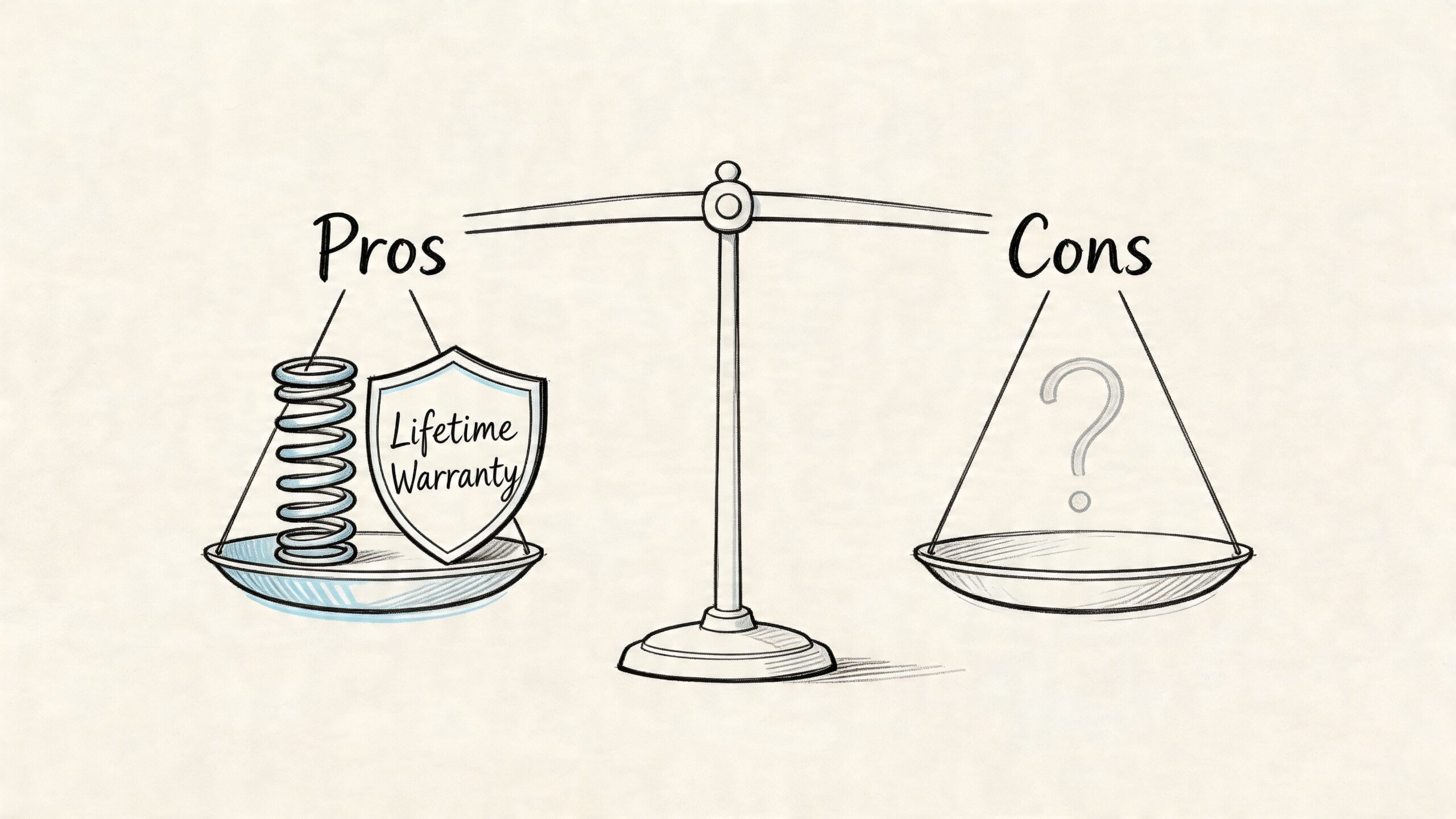
The Honest Pros and Cons of Flexsteel Furniture
Flexsteel has a strong reputation, but no honest review should treat any brand like it’s perfect. The strengths are real. So are the trade-offs.
Where Flexsteel earns its reputation
The biggest advantage is long-term value. Flexsteel is widely regarded as a mid-priced brand with stronger durability than many lower-cost competitors, according to industry-veteran commentary summarized in this discussion of whether Flexsteel is worth the money.
A few benefits stand out right away:
- Built for long ownership: Stationary pieces have a reputation for staying comfortable and supportive over time.
- Strong brand identity: Flexsteel isn’t trying to win on flash alone. It wins by building around durability.
- Good customization potential: Buyers usually have a wide range of fabric, leather, and configuration choices.
- Timeless styling: Many Flexsteel collections aim for looks that don’t date quickly.
For practical shoppers, this article on 5 things to look for in your new sofa or chair is a helpful companion to evaluating the trade-offs.
The downside most reviews skip
Here’s the part that deserves more honesty. Recliners are a different category from stationary upholstery. The same Furniture Mall source notes that experts with decades of experience see a higher rate of mechanical issues in recliners across all brands, including Flexsteel.
That doesn’t mean every Flexsteel recliner is a bad bet. It means motion furniture has more things that can wear, loosen, or need service than a fixed sofa or chair. Motors, linkages, and moving parts create more possible failure points than a stationary frame.
If your top priority is maximum longevity with minimum maintenance, a stationary Flexsteel sofa or chair is usually a safer bet than a power recliner.
Other trade-offs worth weighing
Not every drawback is a deal-breaker. Some are just questions of fit.
- Higher upfront cost: Flexsteel usually costs more than entry-level furniture.
- Weight and substance: Better-built furniture can be heavier and less convenient if you move often.
- Comfort feel: Some buyers love a supportive seat. Others prefer a softer, sink-in profile from day one.
The best buyers for Flexsteel are usually the ones who don’t shop by sticker alone. They look at how long they expect to own the piece, how heavily they’ll use it, and whether they’d rather replace furniture less often.
How Flexsteel Compares to Other Popular Brands
A lot of shoppers don’t ask whether Flexsteel is good in the abstract. They ask whether it’s worth buying instead of something more familiar and often less expensive, especially Ashley.
That’s the right comparison, because these brands often serve different goals. Flexsteel tends to appeal to buyers looking for long-term ownership and stronger support. Ashley often appeals to buyers who want lower upfront cost, faster room completion, or more budget flexibility.
Flexsteel vs Ashley Furniture at a Glance
| Feature | Flexsteel Furniture | Ashley Furniture |
|---|---|---|
| Support system | Known for the patented Blue Steel Spring in many upholstered pieces | Varies by collection |
| Frame approach | Known for solid hardwood and reinforced construction in key upholstery lines | Varies by model and price tier |
| Expected ownership mindset | Better suited to long-term investment buying | Better suited to budget-first or shorter replacement cycles |
| Customization | Strong custom-order appeal in many upholstery programs | More limited in many mainstream offerings |
| Price position | Mid-priced with value tied to durability | Commonly more budget-friendly upfront |
What you’re usually paying for
With Flexsteel, more of the value sits inside the furniture. The support system, frame build, and cushion design are the reasons people pay more. With Ashley, the draw is often affordability and broad style coverage. Neither approach is automatically wrong. It depends on your timeline and your household.
If you want to compare specs more carefully before you shop, this guide on how to read furniture product descriptions and buy with confidence can save you from buying based on looks alone.
The long-term question buyers should ask
A lower purchase price can still cost more over time if the furniture gets replaced sooner. That’s the central value argument in Flexsteel’s favor. At the same time, no brand is immune to cushion changes with age.
According to Woodstock Outlet’s Flexsteel furniture review, some user-reported data suggests a small percentage of cushions may show softening after 7 years. That’s an important nuance. It doesn’t erase Flexsteel’s durability case. It reminds buyers that even strong upholstery materials will change with use.
A good comparison doesn’t ask which brand is “best.” It asks which brand matches your budget, your expected ownership period, and your tolerance for replacing furniture sooner.
The practical takeaway
Choose Flexsteel if you want stronger odds of long-term support, a sturdier build, and more customization. Choose a budget-focused alternative if your main goal is lower upfront cost or furnishing a space that may change soon.
That’s the difference between buying for this season and buying for the life of the room.
Making Flexsteel Your Own with Custom Orders
One of Flexsteel’s strongest advantages isn’t visible on the showroom floor. It’s the ability to tailor a piece so it fits your home instead of forcing your home to fit the floor sample.
That matters more than people think. A sofa can have great construction and still be wrong for the room if the scale, configuration, or cover doesn’t suit the way you live.
What customization actually changes
With Flexsteel, custom ordering often lets buyers adjust the parts that make the biggest difference in everyday satisfaction:
- Configuration choices: Sofa, loveseat, sectional layout, or modular arrangement
- Cover options: Fabric or leather choices that better match pets, kids, or daily wear
- Function choices: Stationary seating versus power features, depending on priorities
- Style details: Arm shape, cushion look, and overall silhouette that fit the room better
A good starting point is understanding the process itself. This overview on getting started with custom order gives a clear picture of how custom furniture decisions come together.
How to order smart
Custom ordering works best when buyers begin with function, not color.
Start by asking:
- How will the piece be used every day?
- Is this for a formal room, a family room, or the main TV seat?
- Do you need a sectional that solves a layout problem?
- Do you want motion furniture, or would a stationary piece better match your long-term goals?
Then choose the finish details. It’s easy to fall in love with a fabric swatch and forget that the shape, depth, and configuration will decide whether the piece works in the space.
The best use of custom ordering
Custom order is most valuable when you’re trying to avoid compromise. Maybe the floor model is the right collection but the wrong color. Maybe the sofa is right but the room really needs a sectional. Maybe you want performance-minded fabric because the house is full of kids, pets, or both.
That’s where Flexsteel becomes more than a brand name. It becomes a way to build a room around how you live, not just around what happened to be in stock that week.
The Northern Advantage for Your Flexsteel Purchase
A Maine living room gets used hard. Wet boots land by the door, the stove dries the air out in January, the dog claims one corner cushion, and the best seat in the house gets used every night. In that kind of home, a furniture purchase needs to hold up in real life, not just look good under showroom lights.
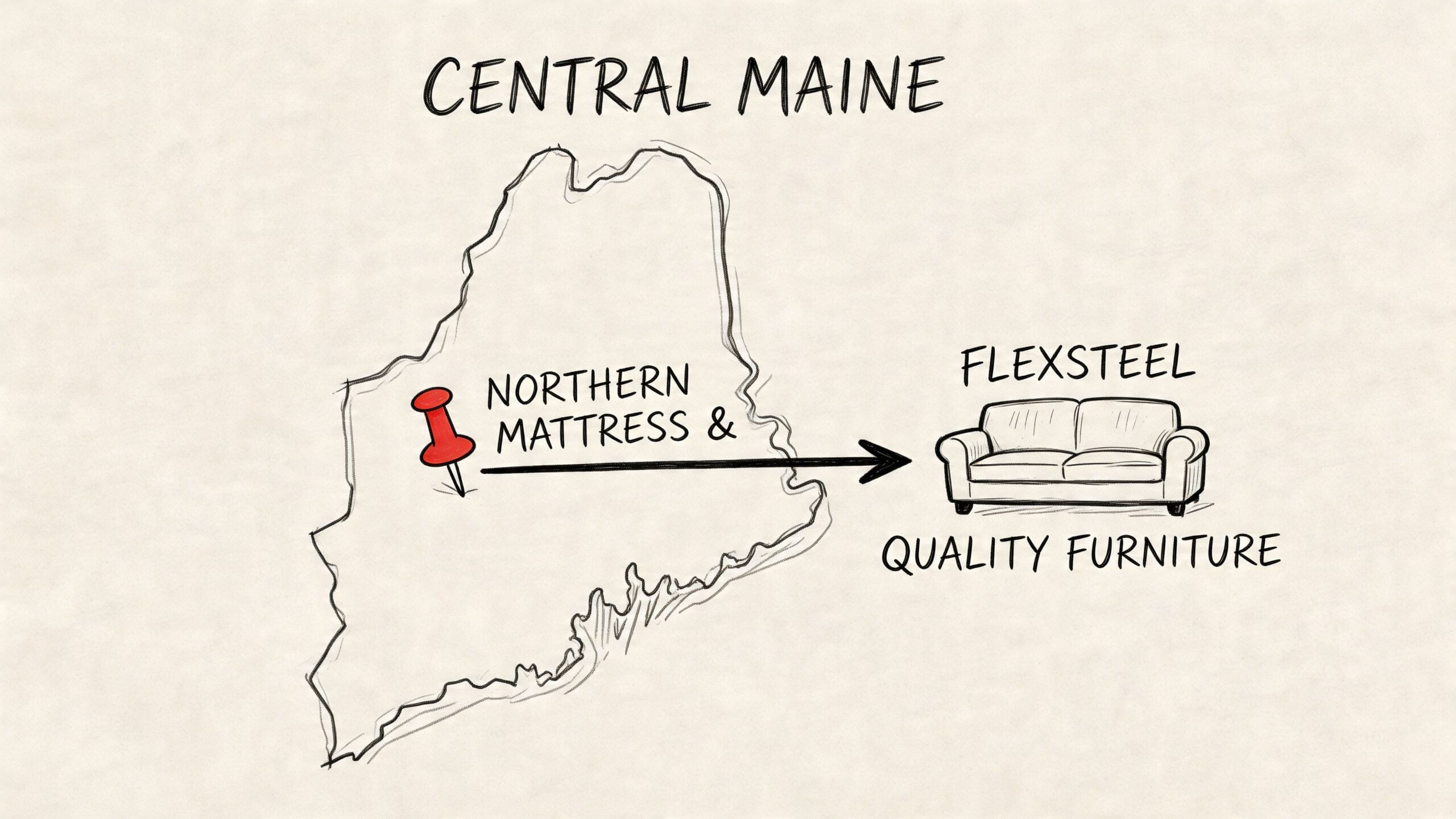
That is part of Flexsteel’s appeal for Maine homeowners. The brand has been around a long time, carries a solid reputation in the mid-priced category, and is often bought by people who want to put one good piece in the room and keep it there for years. That matters more in Maine than people sometimes realize. A sofa in a camp, a family room in Augusta, and a tighter living room in Skowhegan all ask for something slightly different, and buying well the first time saves money and aggravation.
The other half of the value is local guidance. A well-built sofa can still be the wrong sofa if the seat is too deep for the people using it, the scale crowds the room, or the recliner mechanism adds more maintenance than the buyer expected. I have seen that mistake more than once. People do not usually regret paying for better furniture. They regret buying the wrong configuration, the wrong comfort, or the wrong function.
For buyers in Central Maine, local shopping still helps with the parts that do not show up on a spec sheet:
- Room fit: measuring for older homes, tighter doorways, and rooms that are not laid out like a builder-grade box
- Lifestyle match: choosing fabrics and cushion feels that make sense for kids, pets, camp traffic, and everyday use
- Honest function advice: sorting out whether a stationary sofa, sectional, or power recliner makes the most sense for the way the room gets used
- Budget clarity: seeing the actual price and weighing upfront cost against how long the piece is likely to stay in service
- Service after the sale: having an actual local store to call if a question comes up later
Northern Mattress & Furniture 1st brings practical advantages to that process. It is a third-generation, family-owned business that has served Central Maine since 1950. The Price Chop approach and Real Sale Prices help buyers compare accurately instead of trying to decode inflated markdowns. The Nest Credit Card gives shoppers a way to pre-qualify without a credit score impact. Showrooms in Augusta and Skowhegan also make it easier to sit in the furniture, test the seat depth, and decide with less pressure.
The best furniture purchase usually feels settled. The piece fits the room, suits the way the household lives, and still makes sense after the delivery truck leaves.
Final take
For Maine homeowners, Flexsteel deserves serious consideration if the goal is long-term comfort, support, and fewer replacement cycles. The upfront price is higher than entry-level furniture, and motion pieces do bring more mechanical complexity, especially for buyers looking at recliners. That trade-off should be weighed carefully.
For stationary sofas, chairs, and many sectionals, Flexsteel remains one of the steadier long-term buys in the market. It suits buyers who are tired of replacing furniture every few years and would rather buy once, buy carefully, and live comfortably with the result.
If you’d like help finding the right Flexsteel fit for your home, Northern Mattress & Furniture 1st offers a no-hassle shopping experience for Central Maine families with showrooms in Augusta and Skowhegan. You can explore custom-order options, ask about the Price Chop and Real Sale Prices, or check simple financing through the Nest Credit Card without a credit score impact. Browse the style guide or stop in for a closer look, a cup of coffee, and practical help from a team that’s been serving Maine since 1950.