Blog
Moisture Wicking Bedding: Your Guide to Better Sleep

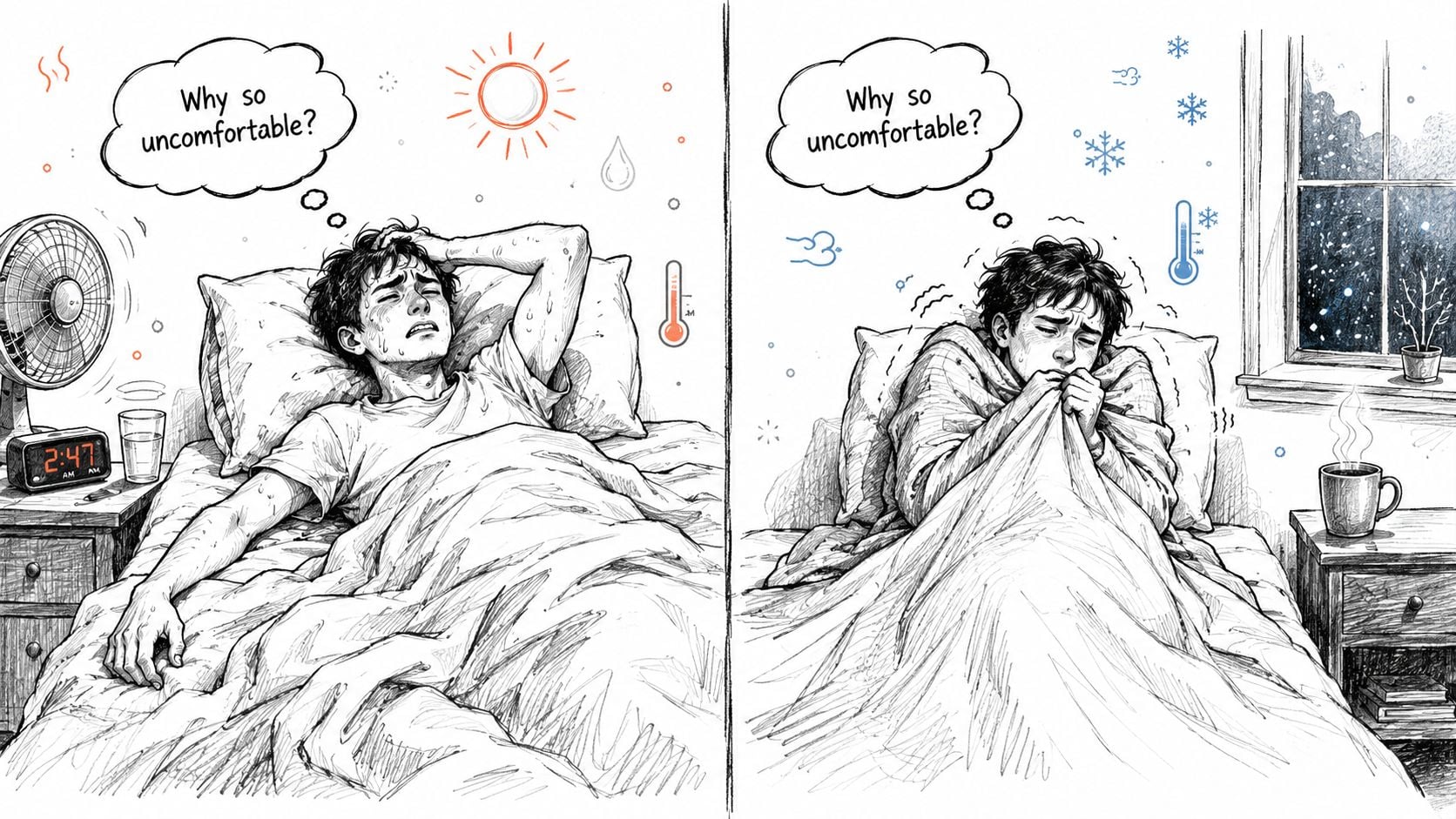
A lot of people in Central Maine know this feeling. July turns muggy, the bedroom never quite cools down, and the sheets feel damp by morning. Then January arrives, the comforter gets heavier, and the room may be cool while the bed still feels stuffy underneath the layers.
That kind of discomfort isn't just annoying. It can break up sleep and leave a person waking up tired. Moisture wicking bedding has become a practical answer for that problem, not because it sounds fancy, but because it helps manage the damp, clammy feeling that often makes a bed uncomfortable in every season.
Table of Contents
- A Year-Round Solution for Maine Sleepers
- How Moisture Wicking Bedding Actually Works
- Exploring Common Moisture Wicking Materials
- Who Can Benefit from Moisture Wicking Sheets
- A Practical Guide to Buying Your First Set
- The Northern Advantage in Finding Your Perfect Bedding
A Year-Round Solution for Maine Sleepers
Central Maine bedrooms change with the weather. Near the lakes and rivers, summer air can feel heavy even after sunset. In winter, many households pile on blankets and comforters, then wonder why the bed feels too warm halfway through the night.
That's where moisture wicking bedding fits in. It isn't just for the hottest week of August. It can help during any season when a sleeper gets sweaty, feels clammy, or wakes up because the bed feels sticky instead of comfortable. A dry bed usually feels more comfortable than a damp one, even when the thermostat hasn't changed.
A common example is the sleeper who goes to bed feeling fine, then wakes around the middle of the night with a warm back or damp chest. Another is the household that keeps the room cool in winter but still feels overheated under layered bedding. In both cases, the problem often isn't just room temperature. It's moisture building up around the body.
Good sleep comfort often comes down to small changes that keep the bed feeling dry, not just cool.
That's why moisture wicking bedding works well as a year-round home upgrade. It supports sleep comfort in a way that feels practical, much like adjusting layers or swapping a heavy comforter for a lighter one when the seasons shift. Households looking for more seasonal sleep ideas can also explore adjusting bedding and mattress setup as the seasons change.
How Moisture Wicking Bedding Actually Works
You crawl into bed feeling comfortable enough. An hour later, the sheets feel a little sticky against your back, and now you are kicking a foot out to cool off. That shift is often less about the room and more about moisture staying too close to the body.
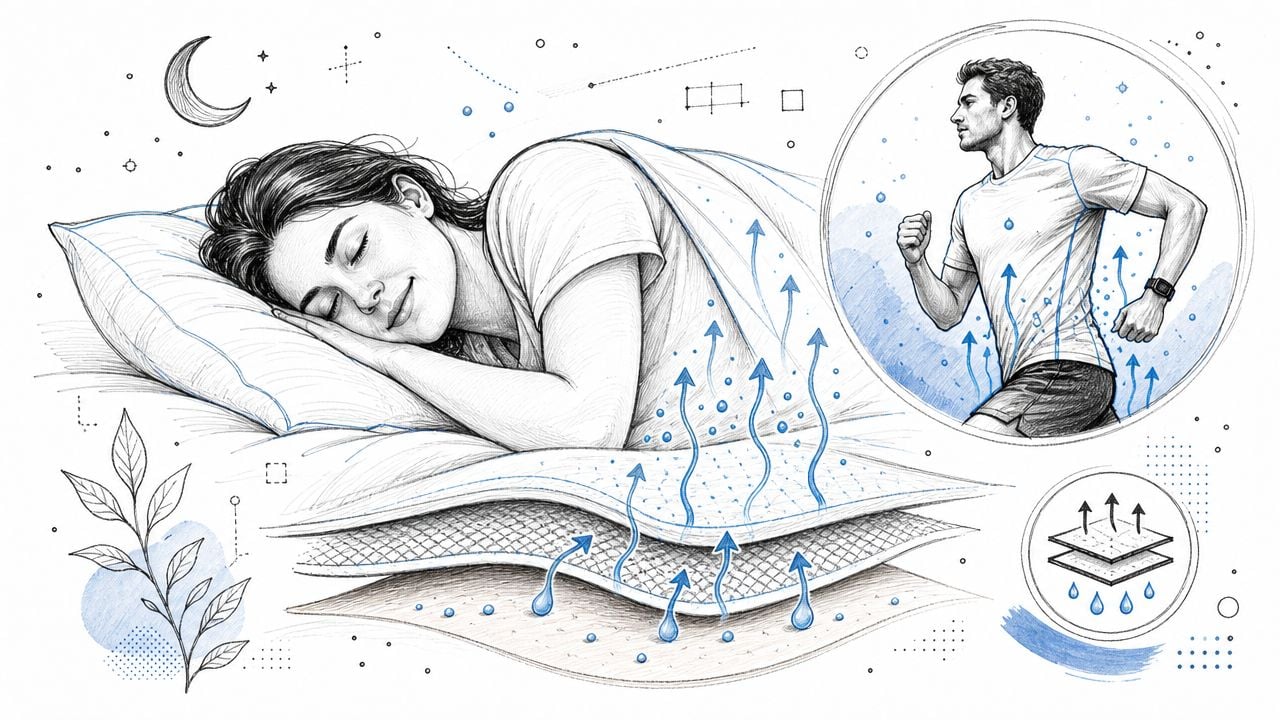
Moisture-wicking bedding handles that problem in a simple way. It pulls perspiration off the skin and spreads it through the fabric so it can dry more easily, as explained in this textile care overview from Amerisleep on moisture-wicking sheets.
Pull first, then dry
There are two steps.
First, the fabric draws moisture away from the skin. That is the part that helps reduce the clammy feeling.
Second, the fabric spreads that moisture across more of its surface. A wider spread gives that dampness a better chance to dry instead of sitting in one patch under your shoulder, lower back, or chest.
A kitchen sponge and a window screen give a useful comparison. A sponge is built to soak up water and hold it. Moisture-wicking bedding works more like the screen. It lets moisture move through and disperse so the surface against your body feels drier.
Why people mix up wicking and cooling
This confuses plenty of shoppers, especially here in Maine where bedroom comfort changes from muggy July nights to dry winter air and heavy blankets.
Moisture wicking does not mean the fabric creates cold air or chills the whole bed. It means the bedding does a better job handling sweat and humidity at the skin level. That often feels cooler because dry fabric is usually more comfortable than damp fabric.
For some sleepers, sheets help a lot but they are only one part of the setup. The mattress, protector, comforter, and even the room itself all matter. If heat buildup is a regular problem, it helps to compare the full sleep system, including mattress options for hot sleepers.
Practical rule: If the complaint is “my bed feels damp,” moisture-wicking bedding is often a better solution than broad cooling claims.
Why the clammy feeling matters so much
A damp sleep surface keeps getting your attention. The sheet sticks a bit. You shift position. Then you wake up just enough to notice it again.
That is why this kind of bedding earns its keep year-round. In summer, it helps with sweat and humidity. In winter, it can help when warm sleepers get overheated under layered bedding. The goal is simple. Keep the bed feeling drier so your body can settle down and stay asleep.
Exploring Common Moisture Wicking Materials
Material choice matters because each fabric solves the same sleep problem in a different way. Around here in Maine, that can mean one set of sheets that feels better in a humid July bedroom, and another that earns its keep during a January cold snap when the heat is running and the blankets pile up. The goal is not fancy fabric for its own sake. The goal is a bed that stays comfortable across the seasons.
The easiest way to sort these materials is by feel first, then by use. Some people want an airy sheet with a casual look. Others want a smooth surface that feels neat and soft right away. A practical bedroom routine also matters. If you are already working on better sleep habits, your sheet choice fits right alongside simple sleep hygiene tips for a better night's sleep.
Linen for airflow and a lived-in feel
Linen has a relaxed, breathable feel that many warm sleepers like right away. It is lightly textured, not slick, and it tends to feel less close to the skin than heavier fabrics.
A linen sheet works a bit like a good flannel shirt hanging on a clothesline. Air moves through it well, so moisture does not sit in one spot as easily. That makes linen a strong year-round choice for sleepers who get clammy under layered bedding, even if the room itself is not especially hot.
It also softens with use. That matters for households making a long-term home purchase, not a short-term trend buy.
Lyocell and bamboo viscose for a smoother surface
Some sleepers want moisture management without the textured hand of linen. Lyocell and bamboo viscose are often chosen for that reason. They usually feel smoother and more fluid against the skin.
These fabrics are popular with shoppers who dislike stiff sheets. They can feel neat, cool, and easy from the first night, which is one reason they show up often in guest rooms and primary bedrooms alike. If your current sheets feel rough or sticky once the room warms up, this category is often a more comfortable step.
Cotton percale for a familiar, practical option
Cotton still makes sense for many homes. The key is the weave. Percale usually feels crisper and lighter than denser cotton sheets, so it can be a smart starting point for shoppers who want better breathability without changing the feel of the bed too much.
That familiarity matters. A lot of Maine households do not want bedding that feels radically different. They just want a bed that sleeps cleaner, drier, and more comfortable through changing weather.
A simple side-by-side view
| Material | General feel | Best fit for |
|---|---|---|
| Linen | Airy, textured, relaxed | Sleepers who want airflow and a more natural hand |
| Lyocell | Smooth, soft, clean-feeling | Sleepers who want moisture management with a sleek feel |
| Bamboo viscose | Soft, drapey, light | People who dislike stiff or crisp sheets |
| Cotton percale | Familiar, crisp, breathable | Households that want a simpler transition from standard cotton |
The best sheet material is the one you will still like in October, February, and July. In my experience, that is what makes moisture-wicking bedding a smart home investment instead of a passing comfort upgrade.
Who Can Benefit from Moisture Wicking Sheets
A lot of Maine sleepers notice the same problem at different times of year. In July, the bed feels sticky by 2 a.m. In January, the room is cool, but heavy layers still leave the sheets feeling damp underneath. That is why moisture wicking sheets help more people than hot sleepers alone.
They are a practical fit for anyone whose sleep gets interrupted by sweat, humidity, or that clammy feeling when fabric stops feeling fresh.
Sleepers who wake up damp
The clearest example is the person who wakes up with a damp neck, chest, or back. Medical experts who treat heavy sweating often recommend quick-drying, breathable bedding because it helps pull moisture away from the skin and can leave the sleep surface feeling more comfortable through the night.
That can help several kinds of sleepers:
- Hot sleepers: Body heat builds up overnight, and the sheets start to feel sticky instead of dry.
- People going through hormonal changes or dealing with medication-related sweating: The bedroom may feel fine, but the bed can still feel muggy.
- Light sleepers who notice every small discomfort: A little dampness is enough to wake them up.
- People in homes with changing indoor humidity: Maine weather shifts fast, and bedding that dries out more easily can feel steadier from season to season.
Good bedding is only one part of the picture. If you are trying to build better habits around rest, these sleep hygiene tips for a better night's sleep can help the whole bedroom work better together.
Couples and layered beds
Shared beds are a common trouble spot. One person throws a leg out from under the covers. The other is comfortable and wants the room warmer. In that setup, moisture wicking sheets can be a smart middle ground. They are less about making the bed feel cold and more about helping it feel drier and cleaner.
Layered beds can benefit too.
A mattress protector, foam topper, flannel blanket, and thick comforter can all hold warmth close to the body. Sometimes the problem is not the mattress or the room temperature. It is the top of the bed trapping moisture night after night. A better sheet set can improve comfort without asking you to replace everything else at once.
That makes these sheets a sensible choice for guest rooms, primary bedrooms, and homes where sleep needs change with the seasons. In my experience, that is their core benefit. They help a bed stay more comfortable through a Maine year, which makes them less of a specialty item and more of a smart home purchase.
A Practical Guide to Buying Your First Set
You get into bed in January with an extra blanket on. By April, the heat kicks on one day and the air feels damp the next. Then summer rolls in, and the same bed that felt cozy in winter starts to feel stuffy. That is why buying your first set helps to start with real life in mind, not marketing words on a package.
Shopping for moisture wicking bedding can feel like reading a label full of half-familiar terms. Cooling, breathable, quick dry, temperature regulating. They sound close, but they are not all pointing to the same benefit. A better way to shop is to keep your eye on three things first: the fiber, the feel, and how the sheets fit the rest of your bed.

What to look for on the label
Start with the fiber name, because that tells you more than a flashy front label. Good options for moisture control often include lyocell, bamboo viscose, linen, and cotton percale. These can help a bed feel drier and less close. Thread count matters too, but it is not a contest. Very high thread counts can pack threads tightly enough that the fabric feels heavier and lets less air move through.
Here is a simple shopping checklist:
- Start with the fiber: Look for linen, lyocell, bamboo viscose, or cotton percale.
- Be careful with extra-high thread counts: Smooth does not always mean better for airflow.
- Pay attention to texture: Crisp, silky, soft, or slightly textured sheets all feel different after a full night of sleep.
- Buy for the room and the sleeper: A main bedroom in July may need a different sheet than a guest room used at Christmas.
If you want the full bed to work together, this complete guide to bedding, mattress protectors, and comforters can help you match the layers.
What these sheets can and can't do
A lot of shoppers get tripped up here. Moisture wicking sheets help most with dryness and steady comfort. They do not fix every cause of overheating on their own.
The bed works like a stack of winter clothes. If one layer breathes well but the layers above it hold heat and dampness, the whole setup can still feel too warm. A heavy mattress protector, a dense foam mattress, or a thick comforter can all change the result.
Some sleepers only need better sheets. Others sleep better after changing one more layer too.
That is why a first purchase should match the main complaint. If your problem is clammy sheets, moisture wicking bedding is a practical place to start. If the whole bed feels hot from top to bottom, look at the sheet set as one part of a smarter year-round setup for your Maine home.
The Northern Advantage in Finding Your Perfect Bedding
You feel it at two in the morning. In August, the sheets start damp and sticky. In January, the room is cool but the bed gets muggy under heavy layers. That is why finding the right bedding in Maine is not about chasing fancy labels. It is about building a bed that stays more comfortable through all four seasons.
A good bedding choice starts with honest expectations
A lot of sleep problems come from buying with the wrong goal in mind. Moisture-wicking bedding usually helps by keeping the sleep surface drier and less clammy. For many sleepers, that alone makes the bed feel steadier and more comfortable through the night.
A bed works like a layered Maine outfit. If your base layer handles dampness well, you usually feel better. If the layers above it trap heat and moisture, comfort drops fast.
That matters here because Maine homes go through big seasonal swings. Summer brings humidity. Winter brings flannel, comforters, mattress protectors, and extra blankets. The best bedding choice is the one that fits how your room feels in real life, not how a package describes it.
Local guidance matters
This is one purchase where local advice helps.
A family business that has served Central Maine since 1950 has seen the same pattern for decades. One household needs relief from sticky summer nights. Another wants a guest bed that feels fresh year-round. Another is trying to make a main bedroom more comfortable without replacing everything at once.
Good guidance keeps the decision simple. Start with the sleeper. Then look at the room. Then look at the rest of the bed setup and the budget.
In Augusta and Skowhegan, shoppers often need bedding that fits several parts of daily life:
- Sleep fit: The fabric has to feel right after a full night, not just during a quick touch in the store.
- Season fit: A set that works in a sunny upstairs bedroom may not be the best pick for a cooler guest room.
- Home fit: Color, texture, and layering should make sense with the room and the rest of the bedding.
- Budget fit: The purchase should feel like a smart home investment, not an expensive guess.
A showroom helps with that. You can feel the difference between crisp and smooth. You can ask plain questions. You can compare options without pressure. Small details matter with bedding, and those details are hard to judge from a screen alone.
If you want to see what a local, service-first shopping experience looks like, learn more about Northern Mattress & Furniture 1st's customer-first approach.
For Central Maine households, that is the northern advantage. You can choose moisture-wicking bedding as a practical tool for better sleep in mud season, summer humidity, heating season, and every stretch in between. That makes it less of a trend purchase and more of a smart, year-round upgrade for your home.