Blog
Clever Beds for Small Spaces: Optimize Your Home Today

A small bedroom usually doesn’t feel small when you first move in. It feels manageable. Then the bed goes in, the nightstand follows, a laundry basket lands in the corner, and suddenly the room has one narrow path from the door to the pillow.
That’s a familiar story in Central Maine. I’ve seen it in older Augusta homes with modest bedrooms, in camp bedrooms that need to work hard for summer guests, and in first apartments where one room has to cover sleeping, studying, and storage all at once. The bed ends up making or breaking the room.
Beds for small spaces work best when you stop thinking only about width and length. The key question is simpler. How do you want the room to function every day, and what bed helps that happen without adding frustration?
Table of Contents
- Making a House a Home in Central Maine's Cozy Spaces
- A Guide to Space-Saving Bed Types
- Measure Twice Plan Once Your Room Layout Strategy
- The Unseen Factor Mattress and Frame Compatibility
- Beyond Square Feet The Lifestyle Fit
- Your Partner for Smart Furnishing in Central Maine
Making a House a Home in Central Maine's Cozy Spaces
In Maine, a cozy room can be a blessing. It can also be a puzzle.
A small bedroom in Skowhegan might need to hold a child’s bed and a dresser without feeling crowded. A guest room near Augusta might double as a sewing room or home office. A student apartment might have one bedroom that has to do almost everything. That’s where bed choice becomes less about furniture style and more about daily comfort.
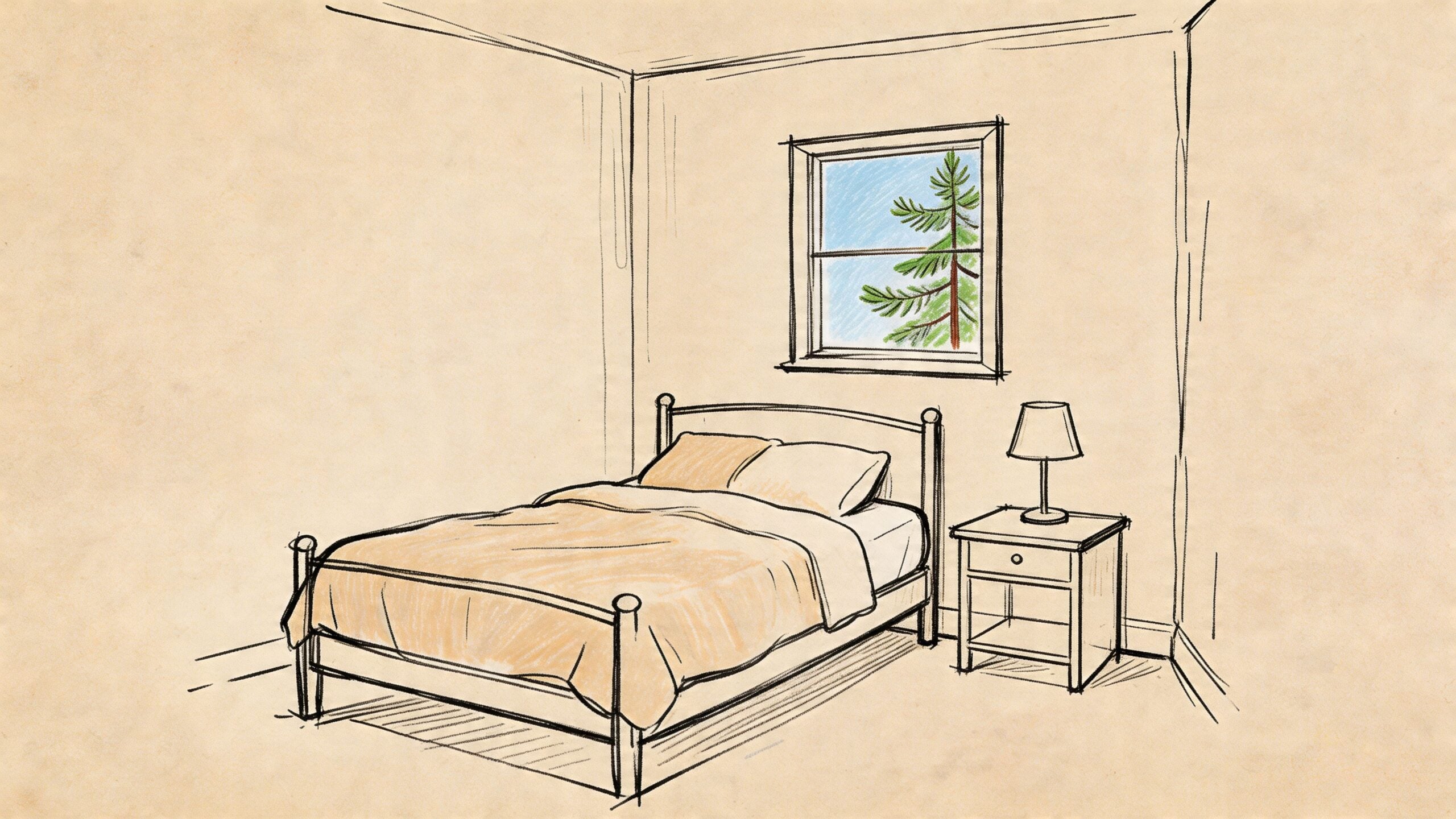
For many people, the starting point is the twin bed. A twin measures 38 inches wide by 75 inches long and gives you flexibility in a tight room. It’s also the most budget-friendly mattress size, and that matters in homes where every purchase has to earn its keep. Bedrooms now do more than sleep for many households, and 40% of households surveyed by UNSW Sydney repurpose bedrooms as multi-functional living spaces according to UNSW Sydney’s look at how bedrooms are used today.
Why small rooms feel harder than they look
Small rooms don’t just challenge your floor plan. They challenge your routine.
If the bed is too wide, you lose walking space. If the frame is bulky, the room feels heavier than it is. If the bed includes storage you never use, then the feature that looked smart in the store becomes one more daily annoyance at home.
Practical rule: In a small room, the right bed should make the room easier to live in, not just easier to photograph.
That’s advice my family has shared for generations. Since 1950, families in Central Maine have been trying to make modest rooms feel welcoming, useful, and restful. The answer usually isn’t the biggest bed that can technically fit. It’s the bed that fits the room, the sleeper, and the life happening around it.
What “right fit” really means
A good fit usually comes down to three questions:
- Who is sleeping there: One child, one adult, occasional guests, or a couple.
- What else happens in the room: Work, reading, storage, play, or all of the above.
- How much effort the setup requires: Some beds save space on paper but ask more from you every day.
That’s why beds for small spaces deserve a little patience up front. A careful choice can make a compact room feel calm and capable.
A Guide to Space-Saving Bed Types
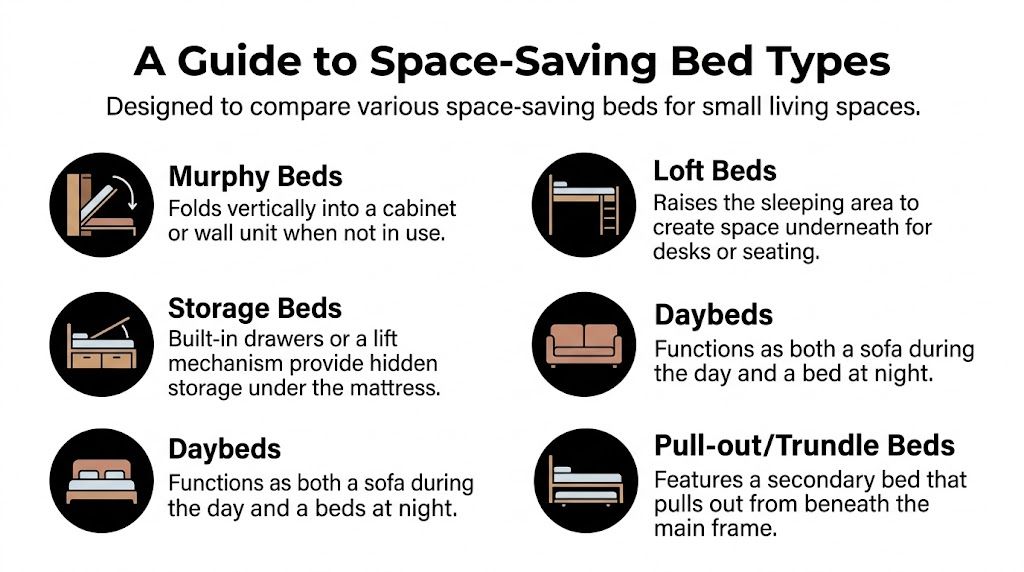
Some beds save space by shrinking the footprint. Others save space by doing two jobs at once. The trick is knowing which kind of help you need.
Start with what the bed needs to do
A Murphy bed is the closest thing furniture has to a disappearing act. It folds into a wall unit or cabinet when you’re not using it. This type works well when the room has another full-time role, like a home office or den, and sleeping needs to happen at night without claiming the floor all day.
A loft bed solves a different problem. It lifts the mattress up high so the floor beneath can handle another task, often a desk, chair, or storage area. In a kid’s room or student setup, that can make one room behave like two zones instead of one.
A storage bed keeps the bed in place but asks it to carry more of the room’s burden. Drawers underneath or a lift-up base can take over for some dresser storage. According to Biltrite’s guide to beds for small spaces, platform beds with built-in storage can reclaim 10-15 sq ft of floor space by removing the need for a separate dresser, and their low profile can help a room under 100 sq ft feel more open.
Which type fits which room
A platform bed is often the quiet workhorse. It sits lower, usually looks cleaner, and avoids a bulky visual profile. If you want the room to feel less crowded without adding moving parts, this is often a sensible place to start.
A daybed works like a sofa that’s honest about being a bed. It suits guest rooms, reading rooms, and offices where seating matters during the day. It’s useful when you want the room to feel less like a bedroom all the time.
A trundle bed keeps a second sleeping surface hidden underneath the main one. This is practical for sleepovers, grandchildren, or occasional guests. The extra bed stays out of sight until needed, which helps preserve floor space most days.
Here’s a simple comparison:
| Bed type | Best use | Main trade-off |
|---|---|---|
| Murphy bed | Room needs open floor space by day | Daily setup and fold-down routine |
| Loft bed | Need usable space underneath | Climbing and access convenience |
| Storage bed | Need hidden clothing or linen storage | Drawers or lift access takes effort |
| Platform bed | Want a clean, low-profile look | Less dramatic space-saving than fold-away designs |
| Daybed | Room doubles as seating area | May feel more casual than a traditional bed |
| Trundle bed | Need occasional extra sleeping space | Secondary mattress stays tucked away most of the time |
A bed can save space in more than one way. It can fold, lift, store, stack, or visually disappear into the room.
If you’d like more examples of layouts and styles, Northern’s article on stylish solutions for small bedrooms shows how these ideas translate into real bedroom planning.
Measure Twice Plan Once Your Room Layout Strategy
A surprising number of bed problems start before the bed even arrives. The frame may fit the room in theory, but not in practice. That happens when people measure only the mattress size and forget the room has doors, corners, and walking paths.
Measure the room and the route
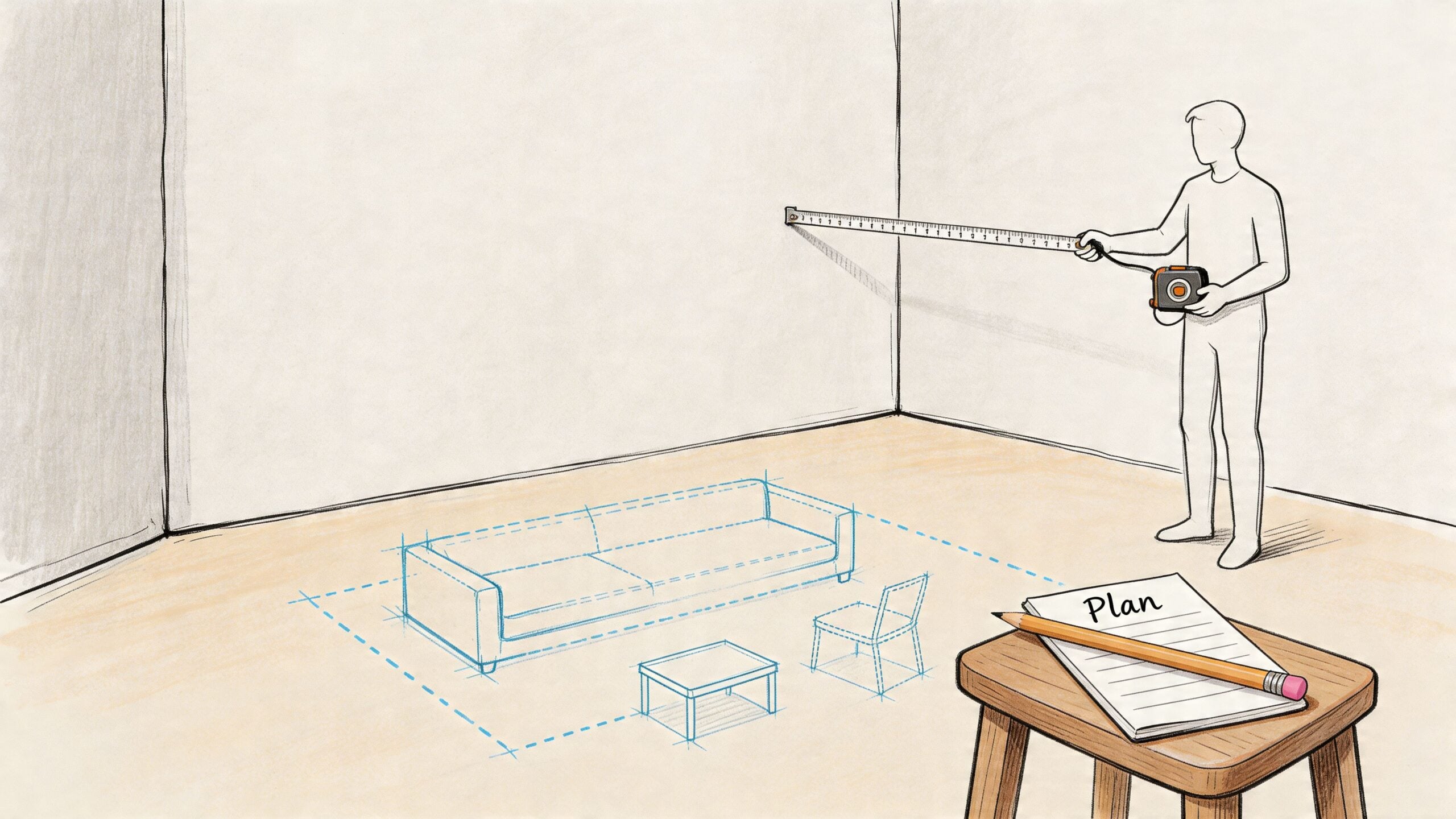
Start with the room itself. Measure the length and width. Then note where the windows open, where the heat source sits, and where the bedroom door swings.
After that, measure the path into the room:
- Front entry and hallway width: A frame has to get through the house before it reaches the bedroom.
- Stair turns and ceiling pinch points: Older Maine homes often have tight stairwells.
- Bedroom doorway opening: This catches more people than you’d think.
For room flow, Dimensions.com’s small single bed standard notes that layout standards recommend at least 30 inches of clearance around accessible bed edges, and that compact bed frames can make that possible in rooms as small as 86 sq ft.
Use a simple floor plan before you shop
You don’t need design software. A hand sketch is enough.
Draw the room as a rectangle. Mark doors, windows, and any furniture that has to stay. Then sketch in the bed footprint. If you want a clearer sense of scale, use painter’s tape on the floor to outline the bed.
That taped outline answers a few questions fast:
- Can you walk comfortably past the bed?
- Will drawers open fully if you choose storage?
- Does the room still have a place for a nightstand or desk?
Rooms rarely fail because the bed is ugly. They fail because the bed interrupts how people move.
If you need help getting those measurements right, Northern’s guide on how to measure furniture gives a practical checklist for both room size and delivery access.
The Unseen Factor Mattress and Frame Compatibility
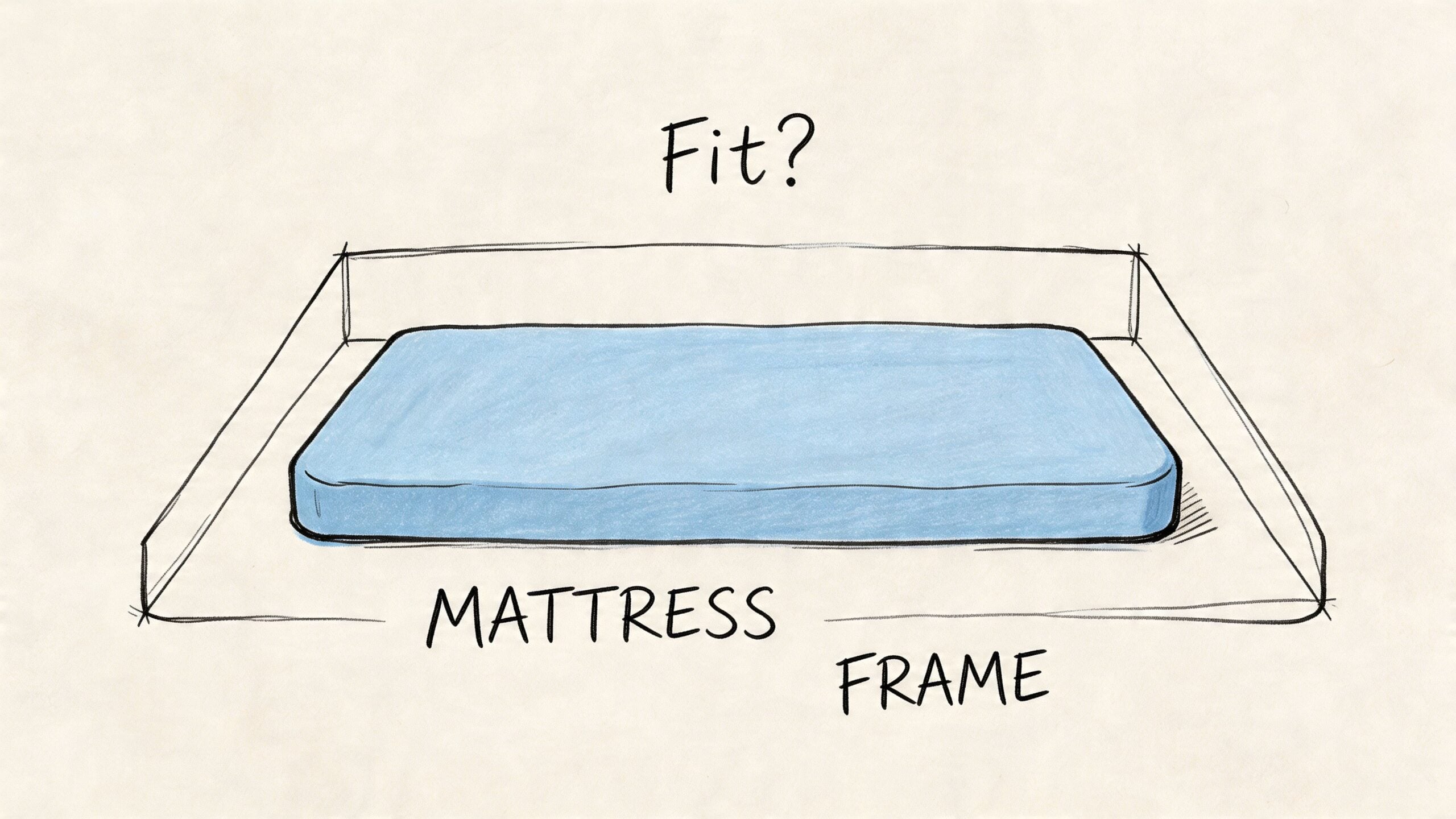
One of the most common mistakes in beds for small spaces is treating the mattress and frame as separate purchases. They’re not separate. They function as a system.
That matters more in a small room because the frame is doing extra work. It might fold up, sit low to the ground, support drawers, or carry a pull-out section. The mattress can either help that design work smoothly or get in the way.
Why the mattress changes how the frame works
A low-profile platform bed only keeps that open, airy look if the mattress height doesn’t overpower it. Put a tall mattress on a low frame and the room can lose the visual lightness that made the platform bed appealing in the first place.
Murphy beds bring a different issue. Suburban Furniture’s discussion of beds for small spaces points out a practical detail many guides miss: a Murphy bed’s ease of operation depends directly on mattress weight and flexibility. If the mattress is too heavy or doesn’t bend the way the mechanism expects, the convenience of the wall bed changes quickly.
Trundles and loft beds have their own concerns. A mattress that’s too plush, too thick, or too soft around the edges may not behave well on certain slat systems or in a pull-out setup. The bed still fits, but the function gets clumsy.
Simple matches that make life easier
Here’s a plain-English way to consider it:
| Frame type | Mattress concern | What to watch for |
|---|---|---|
| Platform bed | Height | A tall mattress can cancel the low-profile look |
| Murphy bed | Weight and flexibility | Operation may feel harder or less smooth |
| Trundle bed | Thickness and edge shape | Pull-out clearance and fit can become awkward |
| Loft bed | Height and stability | Mattress profile needs to work with rail height |
| Daybed | Sit-and-sleep comfort | Mattress has to feel good for both uses |
A few practical habits help:
- Check frame requirements first: Some space-saving frames are picky about mattress profile or construction.
- Think about handling, not only comfort: A mattress can feel wonderful in a showroom and still be the wrong partner for a fold-away frame.
- Match comfort to use: A guest trundle and an everyday primary bed don’t ask the same things from a mattress.
For mattress guidance, I always come back to fit over price. Plush, Medium, and Firm all have their place, and so do Innerspring, Memory Foam, and Hybrid models. The useful question is which one supports your sleep while also working with the frame you chose. Northern Mattress & Furniture 1st’s guide to bed and mattress sizing is a helpful starting point for comparing size and setup before you commit.
Worth remembering: In a small room, a mattress that fits the sleeper but fights the frame isn’t a good fit.
Beyond Square Feet The Lifestyle Fit
A bed can be clever and still be wrong for your life.
That’s the part many shoppers don’t hear enough about. A space-saving design can solve one problem on paper while creating a smaller irritation every single day. Over time, those little frictions matter.
Daily habits matter more than showroom appeal
A Murphy bed is a good example. It can free the room during the day, but it also asks you to take part in a daily routine. The fold-down and fold-up cycle may shape how the room feels at bedtime and in the morning. Northern’s article about why furniture purchases are high-consideration decisions notes that the psychological impact of bed choice is important, and that the daily routine of folding and unfolding a Murphy bed can affect sleep psychology.
Storage beds have their own lifestyle question. Are you the sort of person who will use under-bed drawers well, or will they become a place where off-season clutter disappears and never gets sorted? If you access those drawers every morning, drawer placement and ease of reach matter more than they seem in the showroom.
Loft beds can feel fun, efficient, and smart. They can also become inconvenient if the sleeper gets up often at night or doesn’t like climbing. Daybeds can make a room more flexible, but some people never quite relax when their main bed always looks halfway like seating.
Questions worth asking before you commit
These questions usually lead people to the right answer faster than another round of browsing:
- What will I do every day: Fold it down, pull it out, climb it, or open drawers?
- Will this room stay calm or feel like it’s always in transition: Some people like that flexibility. Others sleep better with a room that stays consistent.
- Am I solving clutter or hiding it: Built-in storage helps most when it’s easy to use.
- Who else uses the room: Kids, guests, partners, and pets all change what “practical” means.
Some beds save floor space. Others save mental space. The second kind often matters more.
If you’re trying to balance simplicity with warmth, Northern’s article on personalizing a space without feeling cluttered is worth a read. It approaches small-room comfort from the lived-in side, not just the measuring-tape side.
Your Partner for Smart Furnishing in Central Maine
People often think the hard part is choosing between a twin, a full, or a platform bed. Usually the harder part is balancing all the moving pieces at once. Room size. Walking space. Storage needs. Mattress compatibility. Daily routine. Budget.
That’s why a guided process helps, especially in older homes and compact apartments around Central Maine where room quirks don’t show up on a product tag.
What a guided process should look like
A useful furniture visit shouldn’t feel pushy. It should feel like problem-solving.
The best conversations usually start with a few basics:
- Your measurements: Room size, doorway width, and any trouble spots.
- Your real use case: Everyday sleeper, guest space, child’s room, or office-bedroom combination.
- Your comfort needs: Plush, Medium, or Firm is part of sleep health, not just preference.
- Your flexibility on style: Sometimes a custom finish, different fabric, or alternate configuration solves the problem better than a floor sample.
That’s where a local showroom can be helpful in ways a product grid can’t. Since 1950, this third-generation family business has served Central Maine from Augusta and Skowhegan, and its about us page explains that background clearly. The practical advantage for shoppers is that the conversation can include furniture and mattress fit together, not as two unrelated decisions.
Why local help matters with small rooms
Small rooms punish guesswork. A bed that’s almost right can still make the room feel off for years.
A more careful approach can include:
- Custom Order options: Helpful when the floor model is close, but not quite the right finish, fabric, or setup for your room.
- Known brands for durability: Names like Flexsteel and Ashley matter because long-term use matters in hardworking rooms.
- Simple financing: The Nest Credit Card lets shoppers pre-qualify without a credit score impact, which gives people room to plan before making a larger home purchase.
- Clear pricing: The Price Chop and Real Sale Prices matter because small-space furniture is still a home investment, and nobody likes fake markdowns.
The in-store experience matters too. A no-hassle showroom, a chance to sit, test, compare, and talk things through over a complimentary coffee or bottled water often leads to better choices than a rushed late-night scroll.
If you’re furnishing a compact bedroom, guest room, or camp space, bring your measurements and your honest routine with you. The bed that fits your life is usually the one that keeps the room useful, sleep comfortable, and mornings simpler.
Visit Northern Mattress & Furniture 1st if you’d like help finding the right fit for a small room in Central Maine. Bring your measurements, photos, and questions to the Augusta or Skowhegan showrooms, browse custom order options, and ask about the Nest Credit Card, Real Sale Prices, and the Price Chop in a no-hassle setting.