Blog
A Mainer’s Guide to the Sierra Sleep Mattress

A lot of mattress searches in Central Maine start the same way. Someone wakes up stiff, kicks off the blankets, and realizes the bed that felt “fine enough” a few years ago isn't helping much anymore. Maybe it's a guest room that's getting more use. Maybe it's a first apartment in Augusta, a family home near Skowhegan, or a camp that needs a practical upgrade before colder nights settle in.
That's usually when the name Sierra Sleep starts showing up.
A Sierra Sleep mattress gets attention because it sits in a part of the market many shoppers care about. It's accessible, familiar, and available in different constructions instead of forcing every sleeper into one feel. Still, a lower price tag alone doesn't solve the core problem. Better sleep comes from finding the right support, the right surface feel, and the right match for the way a person sleeps night after night.
That's why mattress shopping works best when it's treated less like bargain hunting and more like a home decision. Sleep affects energy, comfort, recovery, and how a bedroom functions as part of daily life. Readers who want a broader look at why that matters can explore why investing in a high-quality mattress is essential for long-term health.
Table of Contents
- Your Guide to Better Sleep in Central Maine
- What Is a Sierra Sleep Mattress
- Decoding Sierra Sleep Models and Materials
- Finding Your Fit Firmness and Sleep Styles
- Pros Cons and Lifespan What to Expect
- The Northern Advantage Why Buy Local
- Frequently Asked Questions About Sierra Sleep
- Find Your Best Rest in Augusta and Skowhegan
Your Guide to Better Sleep in Central Maine
In Central Maine, sleep has to do real work. It has to help a person recover after long commutes, early shifts, active weekends, and the constant rhythm of home life that doesn't slow down much. A mattress isn't just another household item. It's part of how the body resets.
That's where many shoppers get tripped up. They start by asking which mattress is cheapest, then later wonder why they're still tossing, turning, or waking up sore. A better first question is simpler. Does the mattress fit the sleeper?
Why fit matters more than the sale tag
A Sierra Sleep mattress often enters the conversation because it gives shoppers a practical range of choices. Some models lean toward the body-contouring feel of foam. Others move toward a more lifted, easier-to-turn-on feel with coils inside. That variety matters more than flashy feature lists because two people can sleep on the same size bed and need completely different support.
Practical rule: A mattress should support the body in a neutral position first, then add comfort on top of that support.
A side sleeper with pressure at the shoulder usually needs a different surface than a stomach sleeper who feels the lower back sag. A couple may also need to balance two issues at once. One person might want cushioning, while the other cares more about motion control when the bed moves.
The goal is better mornings
A useful mattress guide doesn't stop at brand names. It should help readers connect material choices to real sleep outcomes:
- Less pressure buildup: Helpful for sleepers who wake with sore hips or shoulders.
- Steadier support: Helpful for readers whose backs feel worse in the morning than at bedtime.
- Easier movement: Helpful for combination sleepers who switch positions.
- Practical ownership: Helpful for households thinking about setup, delivery, and long-term use.
That's the lens to use with Sierra Sleep. Not “Is it cheap enough?” but “Which model gives the best rest for the way this person sleeps?”
What Is a Sierra Sleep Mattress
A shopper in Central Maine might walk into a store, see the Sierra Sleep name on several beds, and wonder if it refers to one mattress or a whole category. The answer shapes the rest of the buying decision.
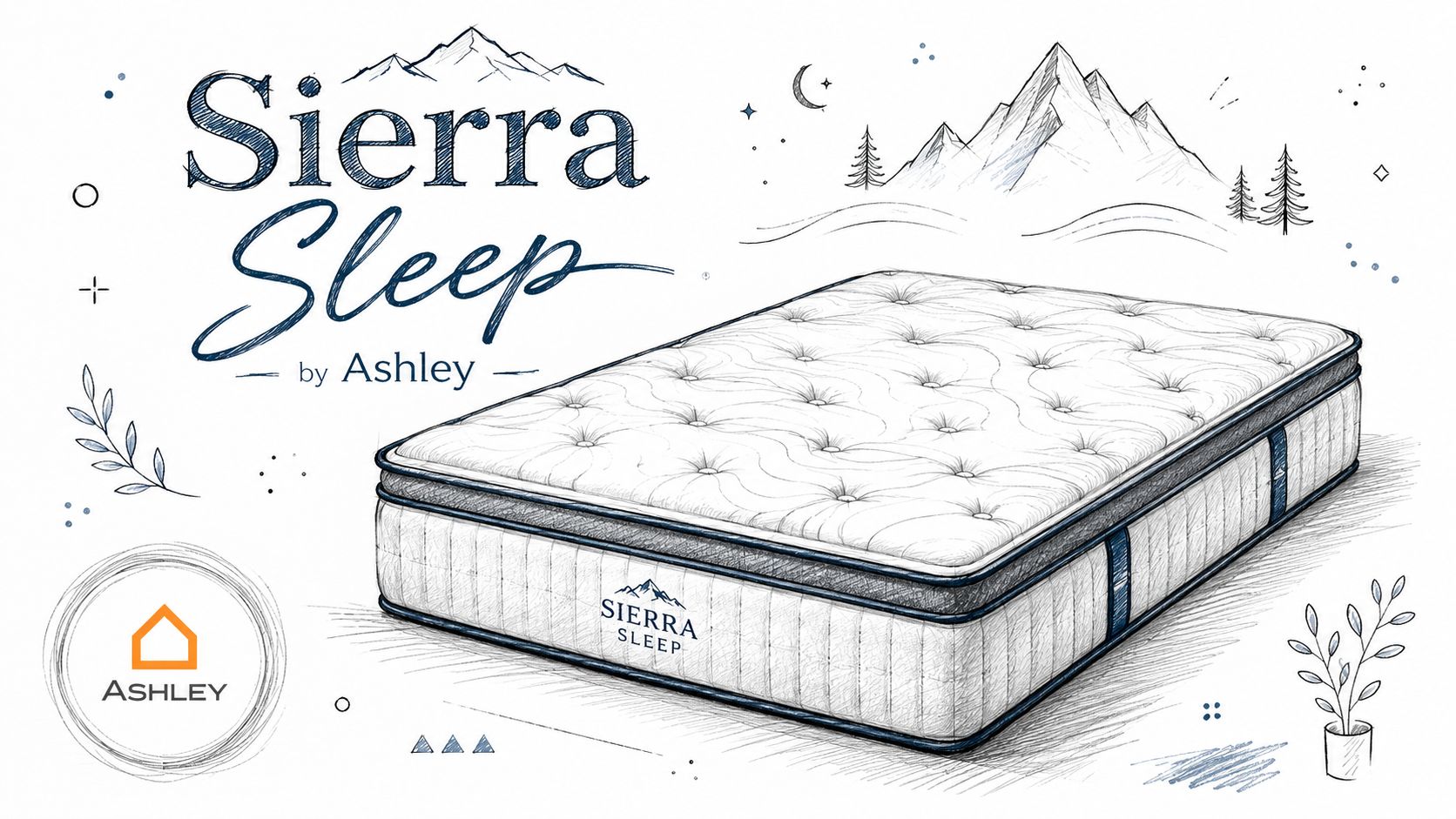
Sierra Sleep is a mattress line made under the Ashley umbrella. That means the name on the label describes a family of mattresses, not one single feel or build. Some models are aimed at sleepers who want more contouring. Others suit shoppers who prefer a steadier, more lifted surface.
That distinction matters because price alone does not tell you whether a bed will help you sleep better. A mattress can fit the budget and still miss the body. The better question is whether a specific Sierra Sleep model matches your sleep position, body type, and comfort needs.
A brand line with range, not a one-size-fits-all bed
Many shoppers hear "Sierra Sleep" and assume all of the models will feel roughly the same. They do not. The line includes different constructions and comfort levels, which is why one Sierra Sleep mattress may feel soft and close-fitting while another feels firmer and easier to move on.
A simple way to understand it is to compare it to winter boots in Maine. Two pairs can come from the same brand, yet one is built for long walks on packed snow and another is built for quick trips through slush. The label matters less than the match between the product and the job. Mattresses work the same way.
What shoppers usually mean when they ask about Sierra Sleep
Most questions about Sierra Sleep come down to three practical concerns:
Who makes it
Sierra Sleep is connected to Ashley, so shoppers are looking at a recognized national furniture brand rather than an unfamiliar private label.What types of mattresses are in the line
Sierra Sleep covers more than one feel category, including foam, hybrid, and coil-based designs. That gives shoppers room to choose based on sleep needs instead of forcing every sleeper into the same construction.How it fits a real-world budget
Sierra Sleep usually sits in the value-focused part of the market. For many households, that means access to several comfort options without having to shop at premium price levels.
That mix is the main reason the line gets attention. It gives shoppers a wider set of starting points. In a local Maine showroom, that matters because you can test whether the budget option supports your back, eases pressure at the shoulder, or lets you turn without effort. A lower price is helpful. The right fit is what improves sleep.
Decoding Sierra Sleep Models and Materials
Model names can sound helpful, but the materials inside the mattress do most of the talking once you lie down. That matters in Maine, where one shopper may want a bed that feels easy to climb into after a long day, while another wants less pressure at the shoulder during a cold night. The better question is which build fits the way you sleep and what you want your budget to accomplish.
Memory foam versus hybrid in plain language
A mattress works a lot like layers in a winter jacket. The top layer affects first comfort. The layer underneath decides how supported you feel after a few minutes.
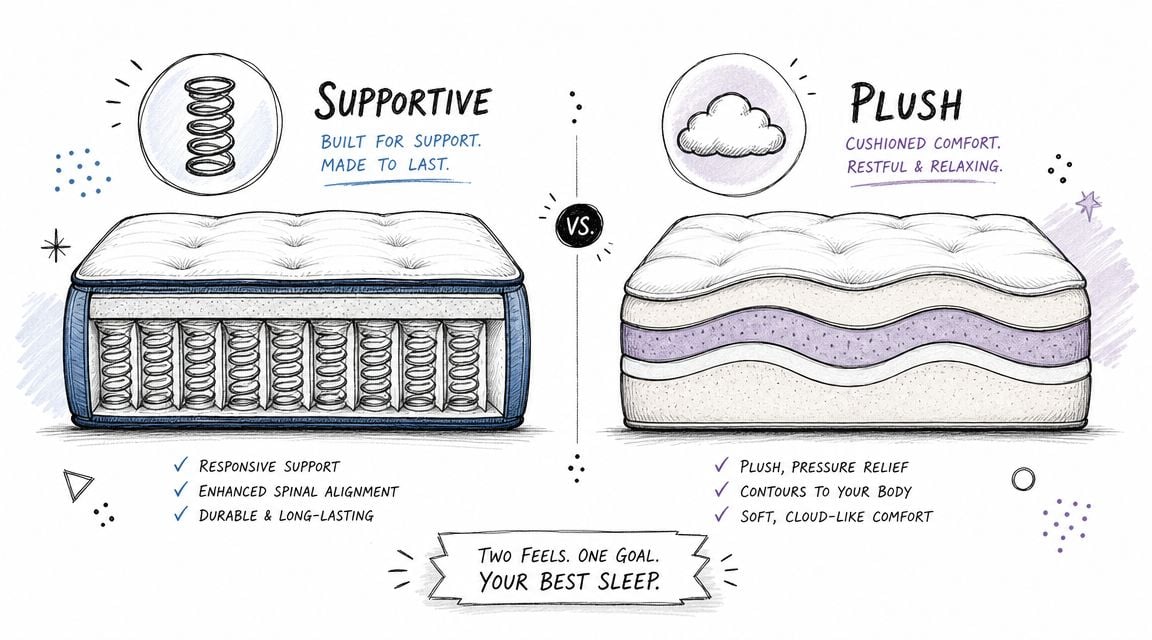
With an all-foam Sierra Sleep mattress, the surface usually contours more closely to the body. Sleepers often describe that as a hug or a cradled feel. That can help if your shoulder, hip, or lower back tends to feel sharp pressure on a firmer surface.
A hybrid changes the feel because coils sit under the comfort layers. You still get some cushioning on top, but the support underneath has more lift and a quicker response. Many shoppers notice that hybrids feel easier to move on, especially if they change positions during the night or do not enjoy the slower feel of deeper foam.
Here is the practical breakdown:
- Memory foam: closer contouring, quieter surface feel, more cushioning at pressure points
- Hybrid: balanced contouring, more pushback from below, easier repositioning
- Wrapped coil: more traditional support feel, steadier response, less of the sink-in sensation
Why the inside of the mattress changes the outside experience
Two mattresses can feel soft at first touch and perform very differently after ten minutes. The top layers handle comfort. The support core handles alignment.
That is one of the easiest places shoppers get tripped up. A plush top does not always mean the whole mattress is soft. In the same way, a firmer surface does not always mean the support is better for your body. What matters is how those layers work together once your weight settles in.
For fit-over-price shopping, this is the key idea. A lower-priced foam model may be the right buy if you need pressure relief and prefer less bounce. A hybrid may be the smarter value if easier movement, airflow, and a more lifted feel matter more in daily use. Price tells you what you spend. Construction tells you what you live with every night.
Bed-in-a-box convenience has real value in Maine homes
Sierra Sleep includes models that arrive compressed in a carton, and that changes the buying experience more than some shoppers expect. In an older Maine house with narrower stairs, a boxed mattress is often simpler to carry, turn, and set up than a full-size mattress that arrives expanded.
That convenience matters for more than delivery day. It can help with:
- Upstairs bedrooms: easier turns around tighter landings
- Guest spaces and camps: simpler setup in smaller rooms
- Single-person households: more manageable handling, even if an extra set of hands still helps
The carton is only part of the story, though. Once the mattress expands, the base underneath still matters. Some Sierra Sleep models work best with a supportive foundation or box spring, while others pair well with platform-style support. If you are unsure how sleep position and mattress type work together, this guide on choosing the right mattress for your sleeping style can help connect construction to real sleep needs.
National-brand shopping becomes more useful in a local showroom. You can test whether a Sierra Sleep foam model eases pressure, whether a hybrid feels easier to move on, and whether the support underneath matches your body before you bring it home. That is the fit-over-price approach in plain terms. Spend with a budget in mind, but choose the build that gives you better rest.
Finding Your Fit Firmness and Sleep Styles
A Sierra Sleep mattress can look like a bargain on paper and still be the wrong bed for your body. The key factor is fit. If the mattress matches the way you sleep, your budget works harder and your mornings usually feel better.
Firmness confuses a lot of shoppers because it is personal. A 130-pound side sleeper and a 230-pound back sleeper can lie on the same mattress and describe it two different ways. Weight, body shape, sore spots, and sleep position all change how a bed feels.
A simple way to sort it out is to start with posture. Your mattress is doing the same job all night that a good pair of boots does on uneven ground in a Maine winter. It needs enough give for comfort, but enough support to keep you steady. If you want a closer look at how sleeping position affects mattress choice, this guide on choosing the right mattress for your sleeping style explains it clearly.
Start with your sleep position
Side sleepers usually need more pressure relief. The shoulder and hip carry more weight in that position, so a mattress with some cushioning helps those joints settle in without feeling jammed up.
Back sleepers often do well on a medium feel. The bed should support the lower back while keeping the hips from sinking too far. If the surface is too soft, the spine can drift out of line. If it is too firm, the lower back may feel unsupported.
Stomach sleepers usually need a firmer, flatter surface. The main reason is hip support. When the middle of the body dips excessively, the lower back can end up bent for hours.
Combination sleepers are a little different. They often need a mattress that balances comfort with ease of movement. Beds that are easier to move on often do not soften partner movement as much, so couples may need to test that tradeoff in person.
Sierra Sleep Firmness Guide for Your Sleep Style
| Firmness Level | Feels Like | Best For (Sleep Position) | Why It Works |
|---|---|---|---|
| Plush | More cushioning, deeper cradle | Side sleepers | Helps reduce pressure at the shoulder and hip |
| Medium | Balanced comfort and support | Back sleepers and combination sleepers | Blends contouring with steadier alignment |
| Firm | Flatter, more supportive surface | Stomach sleepers and sleepers who want less sink | Helps keep the torso from dipping too deeply |
A few practical fit examples
- A side sleeper with sharp shoulder pressure: A plusher Sierra Sleep model may feel better because it gives the shoulder and hip more room to settle.
- A back sleeper who wakes up stiff through the lower back: A medium feel often works better than an ultra-soft bed because support matters as much as surface comfort.
- A stomach sleeper who feels the hips sagging: A firmer model usually keeps the body on a more level plane.
- A couple with different preferences: Medium or medium-firm is often the most workable middle ground, especially when pillow choice and the base underneath can fine-tune comfort.
One more local point matters here. In a Central Maine showroom, you can test these differences with your own body instead of guessing from a product page. That matters more than chasing the lowest price tag. A less expensive mattress that fits your sleep style can be a smarter buy than a pricier model that feels good for five minutes and wrong by morning.
The best firmness is the one that still feels supportive and comfortable in the last hour of sleep, not just the first minute of lying down.
Pros Cons and Lifespan What to Expect
A Sierra Sleep mattress can be a smart buy. The key is judging it by fit and expected use, not by price tag alone.
For many Central Maine shoppers, that matters more than any feature list. A mattress in the wrong comfort level can feel like a bargain on paper and a mistake by the end of the week. A model that suits your body, sleep position, and budget usually delivers better value, even if it is not the cheapest one on the floor.
Where Sierra Sleep often works well
Sierra Sleep tends to make sense for households that want practical choices without wandering into luxury pricing. The lineup usually gives shoppers a few different ways to solve the same problem. One person may need a simpler guest-room mattress. Another may want a hybrid feel for everyday use without stretching the budget too far.
A few strengths stand out:
- Good range for different budgets: Shoppers can often compare entry-level and midrange comfort options within the same brand family.
- Multiple feel categories: Foam, hybrid, and more traditional support builds give people room to match the bed to how they sleep.
- Easier delivery in many cases: Boxed options can be much easier to get through tight hallways, camp stairs, or smaller bedrooms.
- Practical value for secondary spaces: Guest rooms, first apartments, camps, and rental properties often need comfort without overbuying.
That last point is easy to overlook. A mattress for a guest room does not need to solve the same problem as a mattress used every night by two adults.
Where shoppers should slow down
Lower price can be a good thing. Lower price can also mean simpler materials, thinner comfort layers, or a design better suited to lighter use than heavy nightly use.
That does not make a Sierra Sleep mattress a poor choice. It means the right question is, "Fit for whom, and for how long?"
A helpful way to look at it is the same way you would look at tires for a truck in Maine. A lower-cost set may be perfectly fine for light driving and local roads. If the truck hauls heavy loads every day and sees rough conditions, you would judge the purchase differently. Mattresses work the same way. Use pattern matters.
Who should pay closer attention to longevity
Some sleepers place more demand on a mattress than others. In those cases, it makes sense to ask harder questions about support, materials, and how the bed will hold its feel over time.
- Heavier sleepers: More weight can put added strain on foams and support layers.
- Couples sharing the bed nightly: Two bodies create more wear than occasional solo use.
- People keeping a mattress for the long haul: If you prefer to buy once and keep it for many years, long-term support matters more than a low opening price.
- Primary bedroom shoppers: A bed used every night should be judged more carefully than one going into a spare room.
What to expect from warranty and lifespan
Warranty length and real-world lifespan are not the same thing. A warranty explains what defects the manufacturer may cover. It does not promise that every sleeper will feel equally supported for the same number of years.
That part trips people up.
In plain language, a mattress can still be within warranty and no longer feel right for your body. Comfort wear, softening, and changes in support can show up gradually. That is why fit on day one and build quality both matter. The better the match between the mattress and the sleeper, the better the odds of getting satisfying use from it.
How to make a value model last longer
Care plays a role here too. A mattress needs the right foundation, regular rotation when the model allows it, and basic upkeep to stay in better shape. If you want practical advice, read these mattress maintenance and cleaning tips to extend its lifespan.
One final point matters. A lower-priced Sierra Sleep model can be an excellent fit for the right room and the right sleeper. The mistake is expecting every budget mattress to perform like a higher-end bed under every condition. Match the model to the job, and the value story gets much stronger.
The Northern Advantage Why Buy Local
Buying a mattress online can look simple until the mattress arrives, the feel is off, and nobody has helped translate “plush,” “medium,” or “hybrid” into what the sleeper's body needs. That's where local shopping changes the experience.

Why local fitting still matters
A mattress is one of those purchases that benefits from guidance. Not sales pressure. Guidance. A shopper may walk in thinking the answer is “the cheapest queen available,” but a few minutes of proper testing often reveal something else. Maybe the shoulders need more pressure relief. Maybe the lower back needs a firmer support feel. Maybe the couple needs better motion control.
That fit-first approach is especially valuable in Central Maine, where shoppers often want practical help, straightforward answers, and a no-hassle environment. A third-generation, family-owned business that has served Central Maine since 1950 brings a different kind of knowledge to that conversation. It's rooted in local trust, not in flashy talk.
What a stronger buying experience looks like
The local advantage isn't just about trying a mattress in person. It's about having several forms of support around the purchase.
- Real Sale Prices: The Price Chop promise focuses on genuine value instead of inflated markups followed by dramatic markdown language.
- Comfortable shopping: A no-pressure showroom, plus small touches like complimentary coffee and bottled water, makes the process easier.
- Simple financing: The Nest Credit Card lets shoppers pre-qualify without a credit score impact, which helps households explore options before committing.
- A better home fit: Furniture and mattress shopping often connect. Buyers who are also furnishing a room can look beyond floor samples through custom-order options for styles, fabrics, and configurations.
Why that matters more in Augusta and Skowhegan
Central Maine shoppers aren't just buying a product. They're investing in their homes. That includes sleep, bedroom function, and the everyday comfort of the house itself. A mattress that works on paper but never got properly matched to the sleeper can turn into an expensive frustration.
Good mattress shopping should feel like getting advice from someone who wants the bed to work in the home, not just leave the showroom.
That's the practical edge of buying local. A shopper gets context, fitting help, clearer value, and a more grounded way to make the decision.
Frequently Asked Questions About Sierra Sleep
A few practical questions tend to come up after shoppers narrow down the basics. These are the ones heard most often.
Does a Sierra Sleep mattress need a special base
Not always, but the base still matters. One Sierra Sleep memory foam listing specifically says a box spring is recommended. That means shoppers shouldn't assume every model can go on just any surface. The safest move is to confirm what the specific mattress requires and make sure the support underneath is flat, stable, and appropriate for that model.
Is setup easier than with a traditional mattress
In many cases, yes. Boxed models are easier to carry through tighter spaces and upstairs rooms than a fully expanded mattress. That's one of the practical strengths of the line, especially in homes where stair turns and hallways can be awkward.
Will a foam model feel very different from a hybrid
Usually, yes. Foam tends to feel more contouring and less springy. Hybrid models usually feel more buoyant and easier to move on. That's why two Sierra Sleep mattresses can feel very different even if they look similar from the outside.
Is a Sierra Sleep mattress a good choice for every sleeper
No mattress line fits everyone. Some sleepers will like the value and range of constructions. Others may decide they need a different feel or a different long-term ownership profile. The better question isn't whether Sierra Sleep is good for everyone. It's whether a specific Sierra Sleep model fits a specific sleeper.
Where can shoppers get more practical answers
For details about delivery, financing, showroom visits, and common buying questions, readers can review the Northern Mattress & Furniture 1st FAQ page.
Find Your Best Rest in Augusta and Skowhegan
A Sierra Sleep mattress can be a sensible option for shoppers who want variety, approachable pricing, and a choice between foam and hybrid feels. The key is matching the model to the sleeper, not chasing a low number on a price tag and hoping for the best.
That fit-over-price mindset matters in every kind of Central Maine home. It matters for the guest room, the starter apartment, the family bedroom, and the house that's being pieced together one smart purchase at a time. A mattress should support better sleep first. Everything else comes after that.
For readers ready to test comfort in person and make a grounded decision, the next step is simple. They can explore the Augusta and Skowhegan locations and see which mattress feel matches the way they sleep.
Northern Mattress & Furniture 1st has been helping Central Maine families furnish their homes since 1950. Readers looking for a no-hassle mattress fitting, Real Sale Prices through the Price Chop promise, custom-order options, and simple financing with the Nest Credit Card can visit Northern Mattress & Furniture 1st to plan a trip to the Augusta or Skowhegan showrooms.