Blog
Best Fabric for Couches with Pets: Best Fabric For Couches

Some pet messes announce themselves. Wet paw prints across the rug. A fresh layer of fur on the armrest. That one corner cushion your dog has claimed as his own. If you live in Central Maine, you know the routine changes with the seasons. Spring brings mud, winter brings more shedding once the heat kicks on, and year-round you still want a couch that feels welcoming.
That’s why the search for the best fabric for couches with pets matters so much. This isn’t about having a perfect living room. It’s about finding a sofa that can handle daily life and still look like it belongs in your home, not in a back room no one uses.
A good pet-friendly couch should do three things well. It should resist snags, clean up without drama, and still feel good enough that the whole family wants to sit on it.
Table of Contents
- Welcoming a Pet into Your Maine Home
- The Top Couch Fabrics for Pet Owners
- A Deeper Dive into Fabric Choices
- Investing in a Couch That Lasts
- Finding the Perfect Fit for Your Style and Your Pet
- Bringing Your Pet-Friendly Couch Home
- Frequently Asked Questions About Pet-Friendly Couches
Welcoming a Pet into Your Maine Home
A lot of people start shopping for a new couch after they’ve already lost the battle with the old one. The fabric pills. Cat claws catch a loose weave. Dog hair seems woven into the seat no matter how often you vacuum. By then, the question isn’t whether pets affect furniture. It’s how to choose something that handles the reality better.
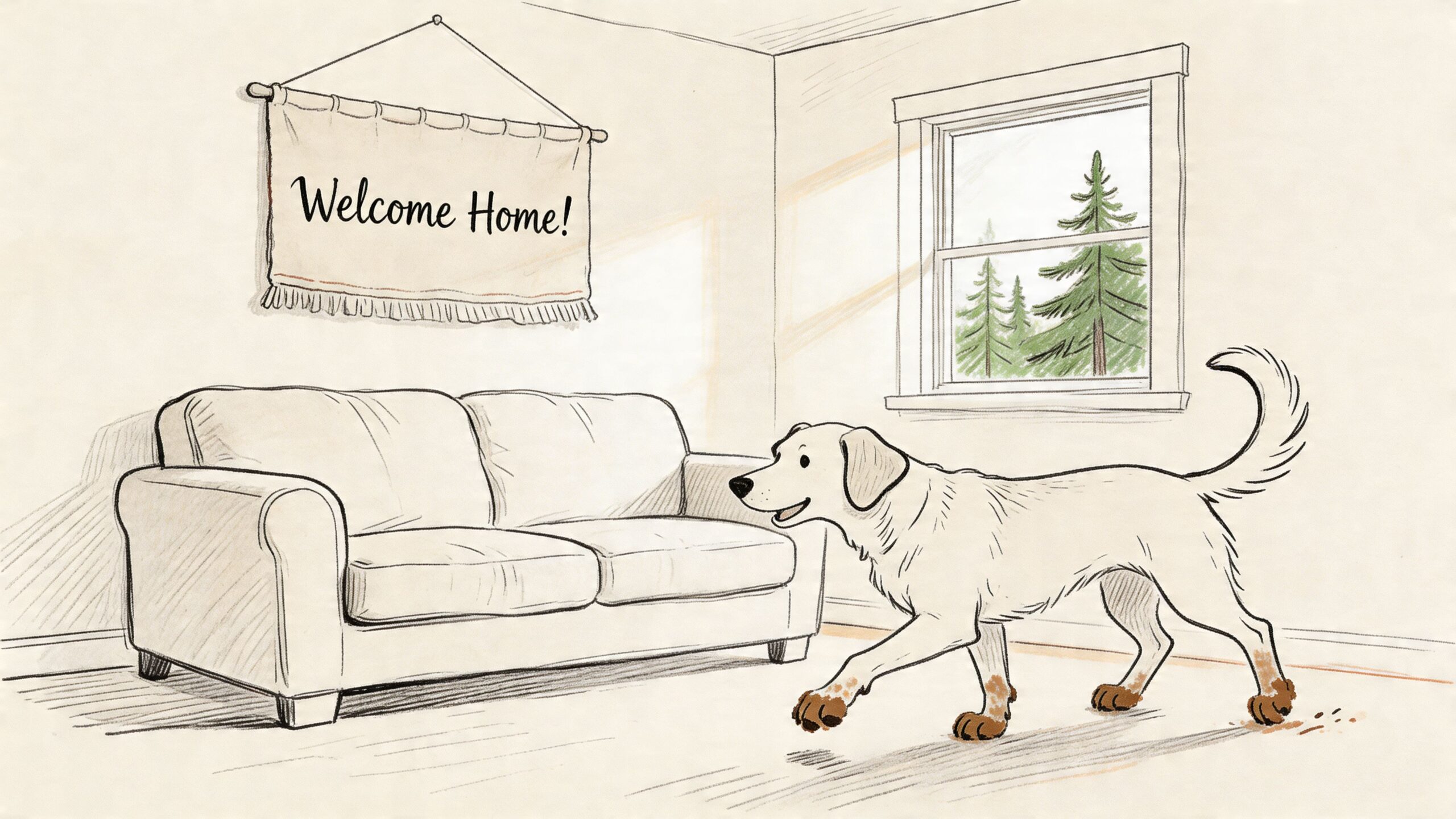
In Maine homes, couches do a lot of work. They’re where kids sprawl out after school, where dogs nap in a warm patch of afternoon sun, and where everybody piles in on cold nights. That’s exactly why fabric choice matters. If the upholstery can’t stand up to daily use, the whole room starts to feel harder to live in.
Families often think they have to choose between a couch that looks good and one that survives pets. That’s usually not true. The better approach is to be honest about what your animals do.
What pets really do to upholstery
One dog may mostly shed and track in dirt. Another may leap onto the same cushion every day and grind debris into the fabric. Cats add a different challenge. They test texture with their claws, and some fabrics practically invite that behavior.
A practical way to think about it is this:
- Shedding pets need fabrics that release fur easily.
- Scratch-prone pets need tight weaves that don’t snag.
- Pets with accidents need surfaces that clean up fast.
- Big loungers need durable fabric on a well-built frame.
Practical rule: Don’t shop for a “pet-proof” couch. Shop for a couch that matches your pet’s habits.
That shift makes the whole process easier. Instead of chasing a buzzword, you start narrowing down real materials that fit your household.
The Top Couch Fabrics for Pet Owners
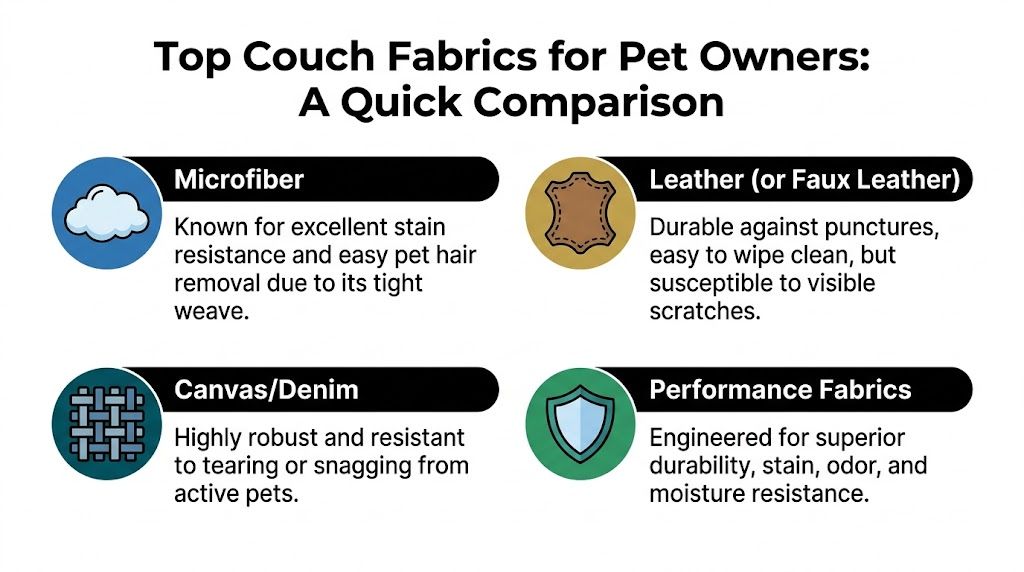
Some fabrics fail fast in pet homes. Loose weaves grab claws, trap hair, and show wear early. Better fabrics share a few useful traits. They’re tightly woven, easier to clean, and less likely to hold onto fur and dirt.
What matters most in a pet household
The first thing I tell people is to stop judging fabric by color alone. A darker sofa may hide some mess between cleanings, but the primary issue is the fabric’s structure and finish.
Microfiber is often the strongest all-around answer for pet homes. Its tightly woven synthetic structure helps prevent claws from snagging, and performance grades frequently exceed 50,000 double rubs, with fabrics over 30,000 double rubs rated heavy duty for high-traffic use, according to The Fabric Mill’s guide to pet-friendly upholstery fabrics. That’s a useful benchmark because pet households put furniture through constant abrasion.
Leather, performance fabrics, and other dense synthetics can also work very well, but each comes with trade-offs in feel, appearance, and how damage shows.
If you’re comparing sofa construction along with upholstery, this guide on what to look for in your new sofa or chair helps narrow the bigger buying decision.
Pet-Friendly Fabric Comparison
| Fabric Type | Scratch Resistance | Stain Resistance | Ease of Cleaning | Best For |
|---|---|---|---|---|
| Microfiber | Very good because of its tight weave | Very good | Easy | Busy homes with dogs or cats |
| Leather | Good for many dog households, but scratches can show | Very good for wipe-ups | Easy | Homes that want a polished look and simple cleanup |
| Performance fabrics | Very good | Excellent | Easy to moderate, depending on finish | Families balancing durability and style |
| Canvas or denim-style weaves | Good overall durability | Moderate | Moderate | Active homes that want a casual look |
| Other tightly woven synthetics | Good | Good | Easy | Value-focused shoppers who need practical performance |
Here’s the short version.
- Choose microfiber if you want the safest everyday pick for a mix of shedding, dirt, and regular wear.
- Choose leather if quick wipe-downs matter most and your main concern isn’t cat claw punctures.
- Choose performance fabric if you want a broader range of looks with built-in practical benefits.
- Choose heavy woven casual fabrics carefully because some are tough, but some hold hair more than people expect.
The best fabric isn’t the one with the best marketing. It’s the one that still looks decent after daily contact with claws, fur, and muddy paws.
A Deeper Dive into Fabric Choices
A couch can look great on the showroom floor and still be the wrong fit once a wet dog claims one cushion and the cat starts testing the arm. Fabric choice comes down to how that material behaves in real life. Fur, claws, spills, heat, and everyday cleaning all show up differently from one fabric to the next.
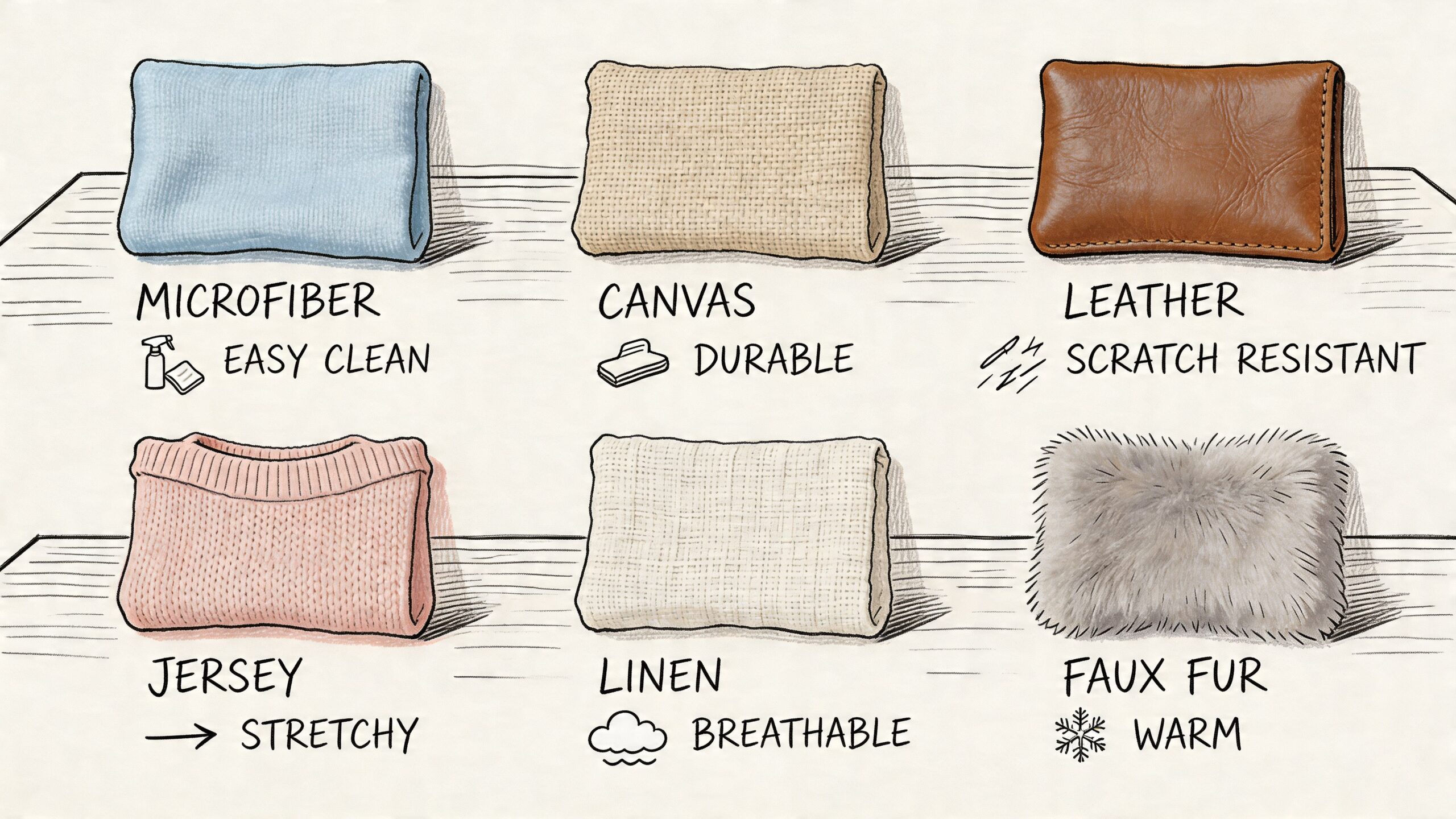
If you want a better feel for fabric terms before you shop, this guide to everything you need to know about upholstery materials helps make the labels easier to sort through.
Microfiber
Microfiber remains one of the safest picks for pet households because the weave is tight and the surface is forgiving. Claws are less likely to snag it than they are on looser woven fabrics, and pet hair usually stays closer to the surface instead of working its way deep into the fabric.
That matters on a Tuesday night when cleanup needs to be quick, not perfect.
In many Maine homes, microfiber holds up well because it balances softness with practicality. It does not ask much from the owner. Vacuum it regularly, spot-clean messes early, and it usually keeps a decent appearance without constant maintenance. For families shopping at Northern Mattress & Furniture 1st, this is often the starting point if they want a couch that can handle pets without looking overly plain.
Where it works best
- Homes with both dogs and cats
- Family rooms with heavy daily use
- Shoppers who want an easier-care fabric at a reasonable price
- People who prefer a soft seat over a slick or cool surface
The trade-off is appearance. Some microfiber looks clean and polished. Some versions can read flatter or less textured than people want once they see it under real room lighting. That is one reason I like putting swatches in a customer’s hands instead of relying on a tiny online photo.
Leather
Leather earns plenty of praise for pet homes, and some of that praise is deserved. Dog owners often like it because fur does not cling the way it does on woven upholstery, and muddy paw prints are usually easier to wipe off before they soak in.
Cats change the equation. Cat claws can puncture leather, and even in homes without cats, surface scratches and scuffs show more clearly than many shoppers expect. Some families like that worn-in patina. Others see every mark.
A few details make a real difference:
- Top-grain leather usually wears better and looks better over time than lower-grade options.
- Bonded leather is a different product entirely and often disappoints buyers who expect the durability of genuine leather.
- Smooth protected leather is usually easier for busy households than more delicate, natural-looking finishes.
Leather can still be a smart choice. It just works best for households that want easy wipe-downs, prefer a polished look, and can accept visible character marks as part of ownership.
Performance fabrics
Performance fabrics give pet owners more style flexibility than the internet often suggests. This category includes fabrics with built-in resistance to stains, moisture, and everyday wear, but the feel and look can vary a lot from one sample to the next.
Some performance fabrics feel crisp and structured. Others feel soft and relaxed. Some hide fur well. Some make dark hair stand out if the color contrast is strong. That is why I tell shoppers to stop at the word "performance" and look closer. The label alone does not tell you enough.
For many Central Maine families, this is the sweet spot because it opens up more custom-order options without forcing a choice between looks and practicality. At Northern Mattress & Furniture 1st, that matters. You do not have to settle for the one pet-friendly sofa that looks fine but does nothing for your room. You can compare textures, colors, and cleanability side by side and choose a fabric that fits your house, your pet, and your style.
Performance fabric usually makes the most sense if you want:
- Better stain resistance for daily life
- More design options than standard microfiber
- A fabric that feels more like traditional upholstery
- A practical middle ground between durability and appearance
Swatches matter here more than marketing copy. Two fabrics can both be sold as pet-friendly and still react very differently to claws, shed fur, and routine cleanup.
Investing in a Couch That Lasts
A pet-friendly fabric helps, but fabric alone doesn’t make a couch a smart buy. If the frame is weak, the cushions collapse early, or the seat support gives out, even a practical upholstery choice won’t save the piece.
Fabric is only part of the story
The strongest long-term purchases usually combine a durable fabric with solid construction. That means paying attention to the parts you don’t see first. Frame quality. Seat support. Cushion resilience. The way the sofa is built matters just as much as what it’s covered in.
Trusted manufacturers such as Flexsteel earn attention for a reason. A better-built sofa handles the repeated jumping, shifting, flopping, and edge-sitting that happen in real family rooms. That matters in homes with pets because furniture doesn’t wear evenly. One arm, one seat, or one corner often takes the brunt of daily use.
If you’re comparing overall quality, this ultimate sofa buying guide for your living room is worth reading before you decide.
Think in years, not just sticker price
A lot of online advice stops at “easy to clean.” That’s only the first question. The bigger one is whether the sofa still feels like a good purchase several years from now.
According to Midwest Fabrics’ discussion of long-term fabric value, most advice focuses on initial stain resistance but rarely addresses total cost of ownership. For families on a budget, it’s critical to think about whether a premium performance fabric lasting 8 to 10 years is more economical long-term than replacing a mid-range microfiber couch twice in the same period.
That’s the right mindset. Not cheapest today. Best value over time.
Consider these questions before you buy:
- How hard is your pet on furniture. A calm older dog creates different wear than a young dog launching onto the cushions.
- Will this sofa live in the main room. Heavy daily use changes what counts as “worth it.”
- Are you buying for a short stop or a long stretch. A starter apartment and a long-term home call for different decisions.
- Will the fabric still suit you later. A practical fabric you dislike touching often becomes a regret.
A low price can be a real deal. It can also be an expensive repeat purchase in disguise.
Finding the Perfect Fit for Your Style and Your Pet
Saturday afternoon in Central Maine. The kids are trying out cushions, the dog is with the sitter, and you finally spot a sofa that looks right for your living room. Then the important question hits. Will it still look good after muddy paws, cat naps, shedding season, and everyday family use?
That decision gets easier once you stop shopping by fabric name alone and start shopping by real household habits. A cat that scratches the arm, a Lab that tracks in grit, and an older small dog that mostly naps all put different stress on a couch. Our guide to kid-friendly and pet-friendly furniture for busy homes is helpful for that reason. It keeps the focus on how your furniture will be used in practice.
Match the fabric to the behavior, then match the sofa to your taste
Pet-friendly shopping goes better when you identify the one habit that causes the most trouble in your house. Start there.
- For scratching: Choose tight weaves and smooth surfaces. Avoid open texture, loose loops, and fabrics that give claws something to catch.
- For shedding: Pick fabrics that let hair brush or vacuum off without a fight. Very nubby materials often hold onto fur.
- For dirt and drool: Look for upholstery that cleans with simple spot care and does not absorb every mess right away.
- For pets that jump up hard: Focus on durable seat upholstery and sturdy cushion construction, not just the look of the fabric sample.
- For style-driven rooms: Ask for performance fabrics that mimic linen, woven texture, or a softer designer look with less maintenance.
In-store help matters. Online advice can point you in the right direction, but fabric samples tell the truth fast. You can run your hand across the weave, see how much texture is really there, and compare options side by side.
Good pet choices can still look like your home
A practical sofa does not have to look plain.
At Northern Mattress & Furniture 1st, that matters because many Central Maine shoppers walk in assuming they need to give up the shape or color they want if they also need pet-friendly fabric. In many cases, they do not. The better approach is to choose the silhouette that fits your room first, then custom order an upholstery option that fits your household better.
That opens up better combinations. A family may love the relaxed look of linen but need a tighter woven fabric that gives a similar feel without inviting claw damage. Another shopper may want a clean, structured sofa in a main living room and do better with a performance fabric that handles fur and daily use more gracefully. If there are no cats in the house, leather may still be a strong option. If there is a cat that scratches corners and arms, I usually steer that customer toward something less vulnerable.
The best advice is specific and honest. This fabric will clean up well but may show claw marks. That one feels softer but asks for more upkeep. A textured weave may look beautiful under showroom lights and still be the wrong choice for a shed-heavy dog.
That kind of guidance helps you buy a sofa you will still like after the novelty wears off.
Bringing Your Pet-Friendly Couch Home
Once you’ve narrowed down the fabric, the last step is making the purchase feel manageable and the setup at home feel successful. A good choice on the sales floor can still disappoint if you rush the last details.
A simple shopping checklist
Bring a short list when you shop. It keeps you from getting distracted by a nice-looking sofa that doesn’t fit your real life.
- Know your top problem: fur, scratching, accidents, or overall wear
- Touch the fabric: if you don’t like the feel in the showroom, you won’t like it more at home
- Sit where your pet will sit: test the main cushion and arm, not just the center seat
- Ask how it cleans: routine care should sound realistic, not complicated
- Check the full piece: arms, back cushions, and seat deck matter as much as the main fabric
Many families also appreciate having payment flexibility when they’re buying the right piece instead of the fastest compromise. Programs such as the Nest Credit Card can make that easier, especially if you want to pre-qualify without a credit score impact and spread the purchase into manageable monthly payments.
What to do once the couch arrives
The first month matters. A few habits will keep the sofa looking better from the start.
- Vacuum consistently: Pet hair and grit do less damage when they don’t stay ground into the fabric.
- Clean small messes early: Fresh dirt is easier to remove than set-in grime.
- Use a throw in favorite spots: This helps on the seat or arm your pet always chooses.
- Trim nails regularly: It won’t make a bad fabric good, but it reduces avoidable wear.
Seasonal upkeep helps too. This fall furniture maintenance checklist offers a sensible routine you can adapt for year-round care.
A no-hassle showroom experience also makes a difference. Being able to slow down, ask questions, compare textures, and think clearly over a coffee or bottled water is often what helps people make the right call instead of a rushed one.
Frequently Asked Questions About Pet-Friendly Couches
Some questions come up after you’ve already learned the basics. These are usually the ones that decide whether a fabric is merely acceptable or right for your home.
What helps most with pet odor
Odor control starts with fast cleanup and regular maintenance. A fabric that cleans easily gives odors less chance to settle in. That’s one reason tightly woven synthetics and performance fabrics are often easier to live with than absorbent natural materials.
If odor is your top concern, ask less about “stain resistance” and more about how the fabric handles repeated spot cleaning. Then pair that with practical habits like vacuuming, prompt cleanup, and washable throws on favorite pet spots.
Can velvet work in a home with pets
Sometimes, yes. But it depends on the pet and the specific fabric.
If your pet sheds heavily, leaves marks with paws, or scratches at texture, velvet can be a harder road. If the room gets lighter use and your main goal is a dressed-up look, some tighter, more durable versions may be workable. You just want to go in with clear expectations. This is usually a style-led decision, not the safest everyday choice.
Are fabric protection sprays worth it
They can help in some situations, but they shouldn’t be your whole plan. A weak fabric doesn’t become a strong pet fabric because of a spray. Start with the right upholstery first.
Always check the manufacturer’s care guidance before using aftermarket products. Some finishes or warranties may not pair well with add-on treatments. When in doubt, keep it simple and follow the recommended cleaning method for the specific material.
Is microfiber still the safest pick for most pet owners
For many households, yes. It covers the basics well. It resists snagging better than loose weaves, handles routine cleanup without much drama, and tends to be comfortable enough for daily living.
That doesn’t mean it’s automatically the best fit for every room or every taste. It means it remains one of the most reliable places to start when pets are part of the equation.
What fabric should I avoid first
Start by ruling out anything loose, delicate, or highly textured if your pets are rough on furniture. Open weaves tend to catch claws and trap fur. Delicate natural-looking fabrics may look beautiful on day one and frustrating by day ninety.
The safest path is usually to eliminate obvious mismatch fabrics before you fall in love with a shape or color.
If you’d like help narrowing down the best fabric for couches with pets, Northern Mattress & Furniture 1st offers a low-pressure place to compare fabrics, talk through real-life pet habits, and explore custom options beyond the floor models. As a third-generation, family-owned business serving Central Maine since 1950, with showrooms in Augusta and Skowhegan, they’re focused on guiding you toward the right fit for your home. If you’re balancing durability, style, and budget, ask about Custom Orders, the Price Chop with Real Sale Prices, and simple financing through the Nest Credit Card, including the option to pre-qualify without a credit score impact. Visit the Augusta or Skowhegan showrooms when you’re ready.